New Zealand: Tongariro Alpine Winter Crossing
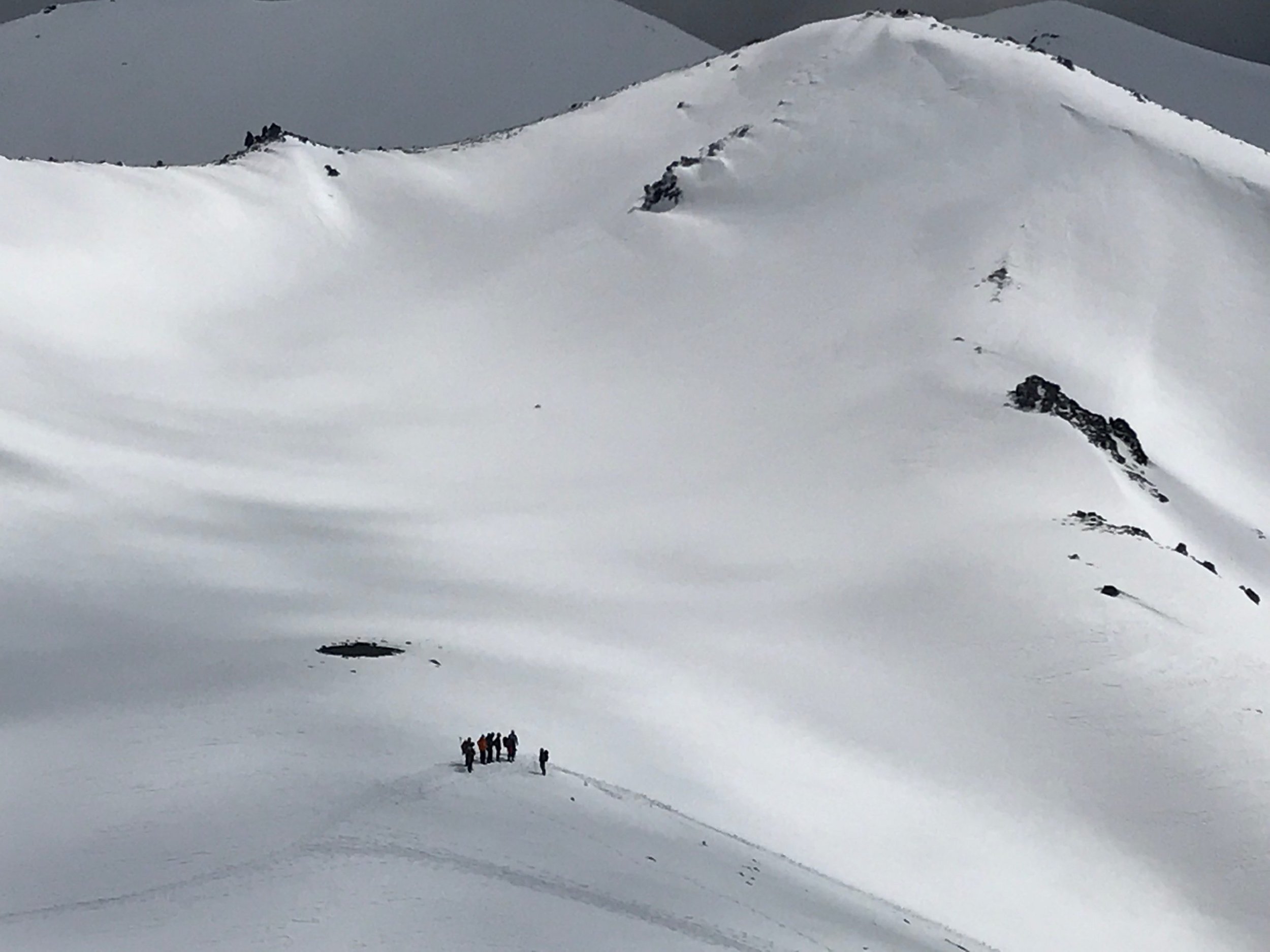
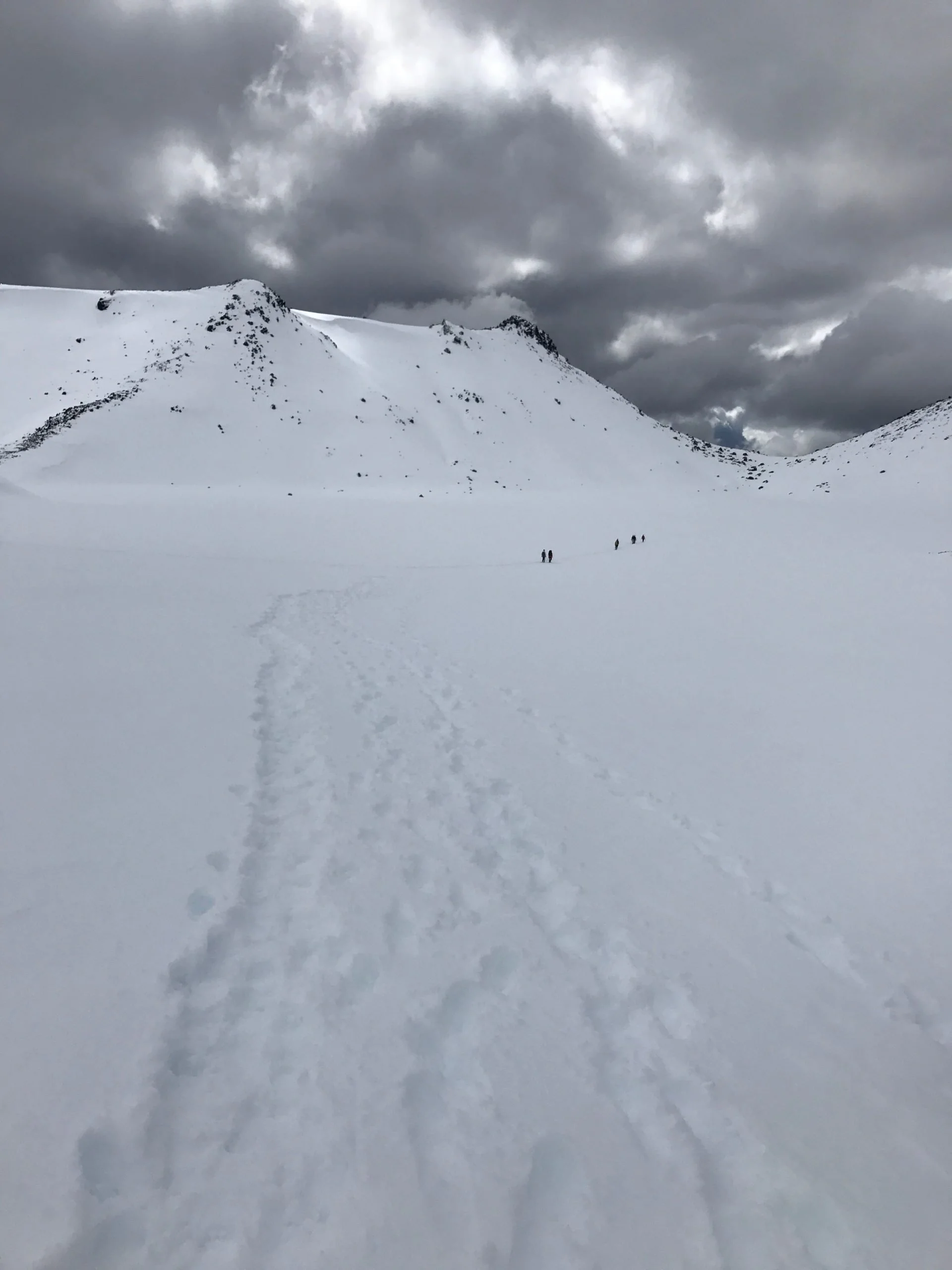
The Tongariro Alpine winter crossing with its amazing views is awe-inspiring. So, after having hiked it in summer, it was time to try it over winter as an extra challenge.
Often described as one of New Zealand’s greatest day hikes, the Tongariro Alpine Crossing can be a challenging journey across a remarkable volcanic landscape. Even more so in winter.
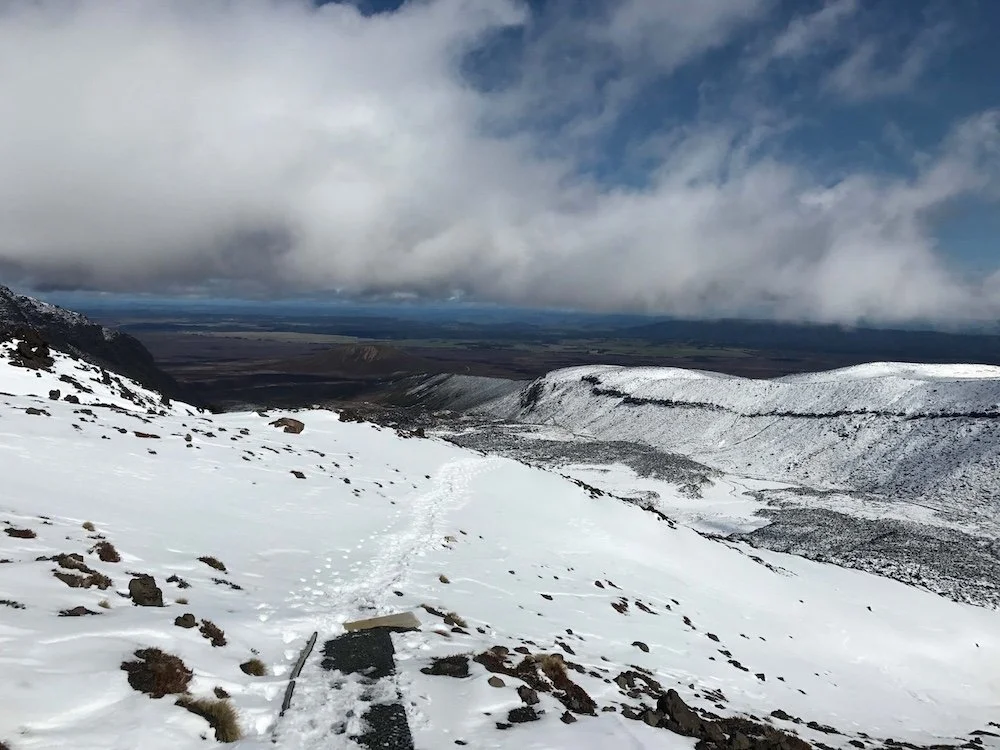
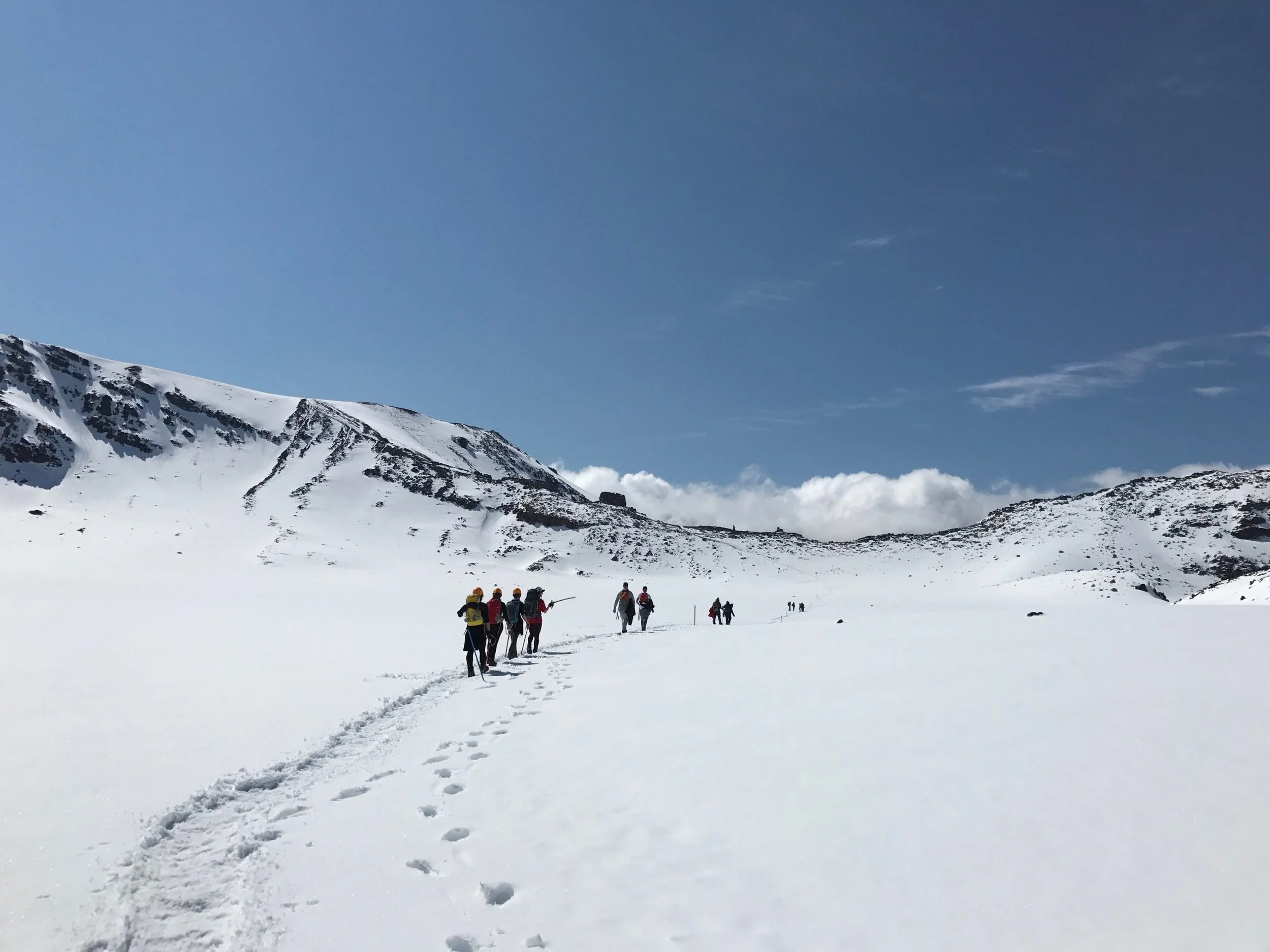
For safety reasons, we would recommend taking a guide during the winter months. The Tongariro Alpine Crossing is covered with snow and ice and the trail can often be hard to navigate. Plus, conditions can change very quickly leading to white-out conditions.
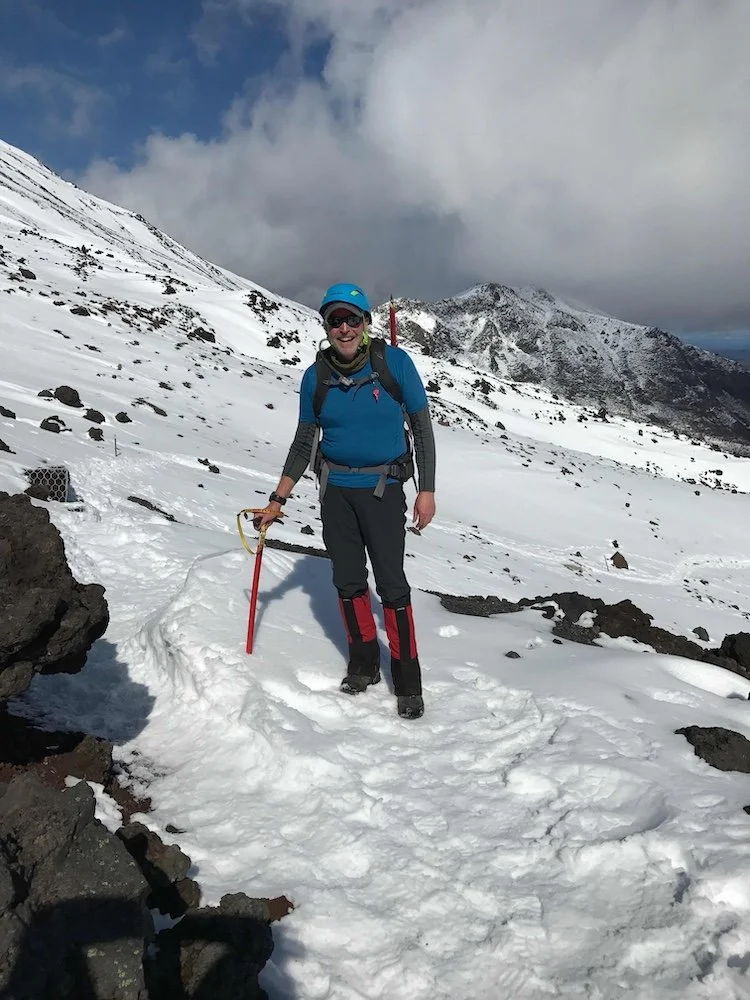
Get your gear on – ice axe, crampons (depending on snow and ice levels) and helmet
The crossing from end-to-end is 19km, so would recommend an early start. It can also be a bit of a long hot slog once the snow conditions deteriorate, especially on a sunny day.
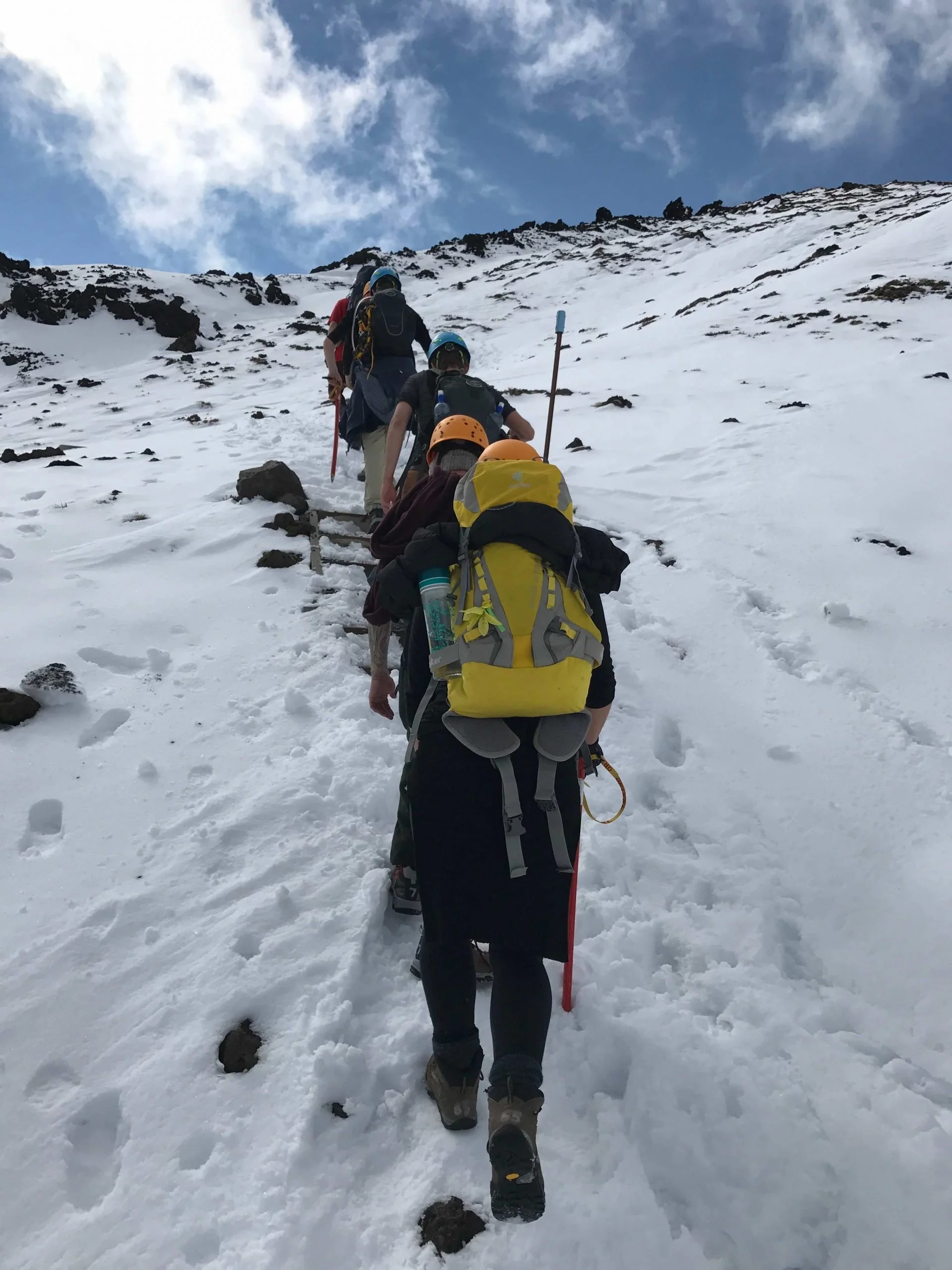
It’s easy to overheat on the uphill climb on a sunny day
After the Ketetahi hut, there is a lengthy descent back to the Ketetahi Car Park (end of the crossing).
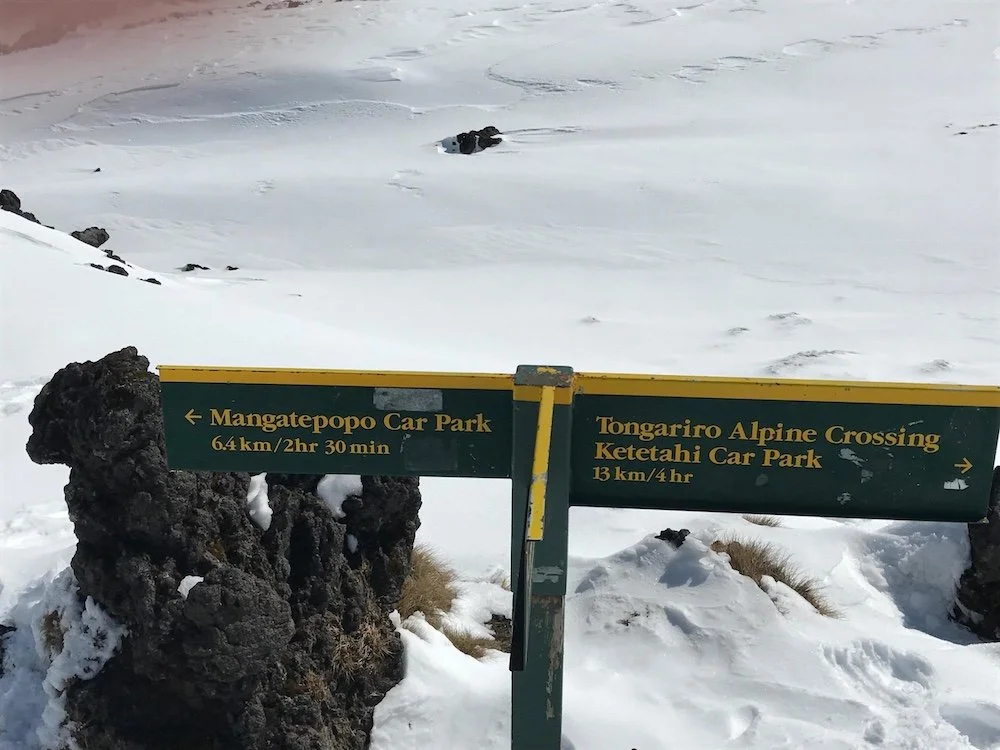
The route is well signposted
Prepare to glissade some sections – with expert guidance!
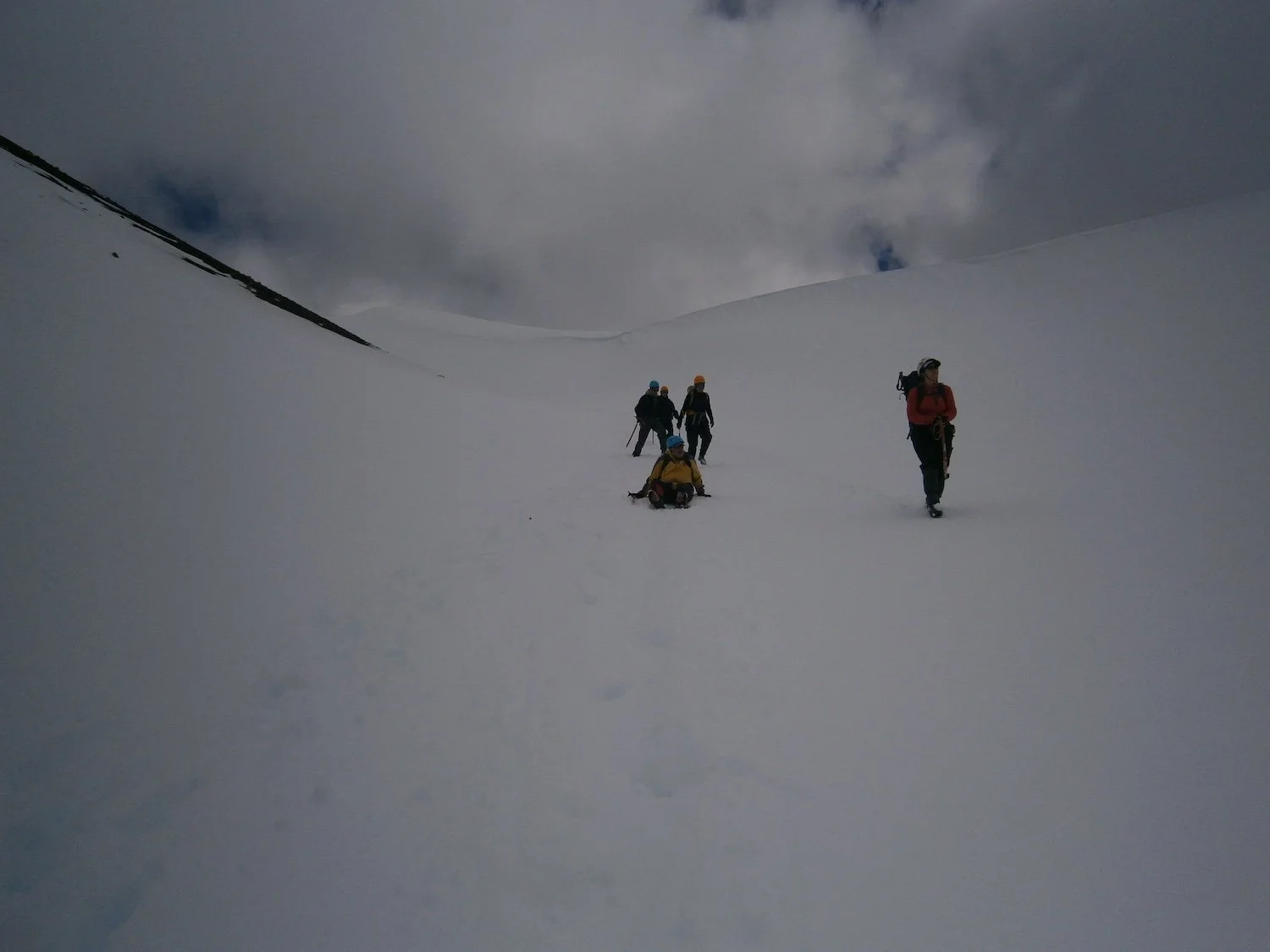
Glissading – getting down the fast way!
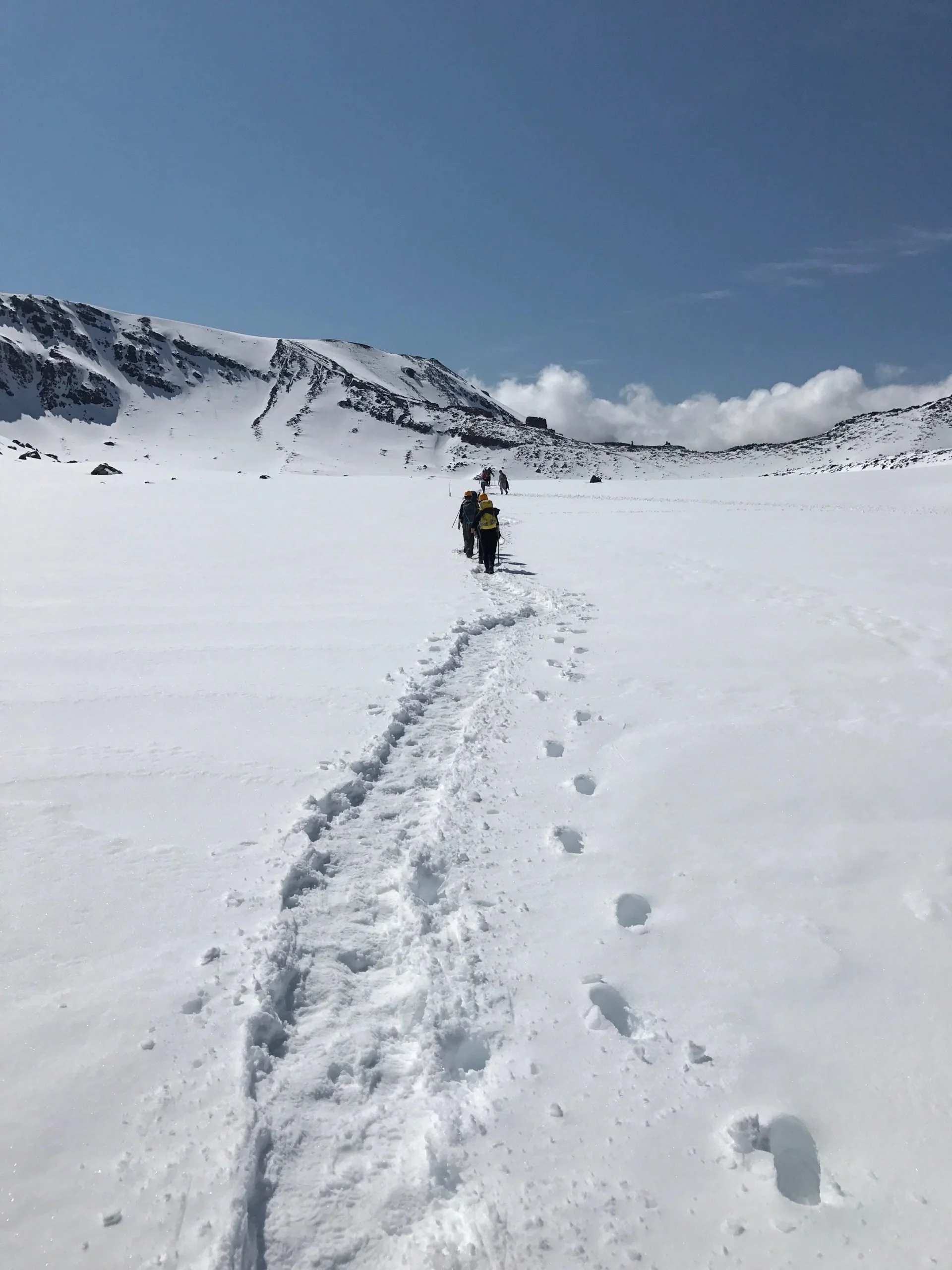
Onwards and upwards!
Trevor
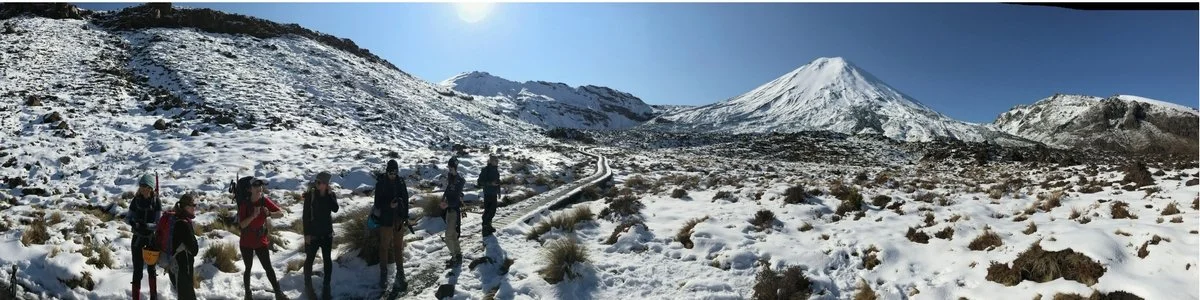
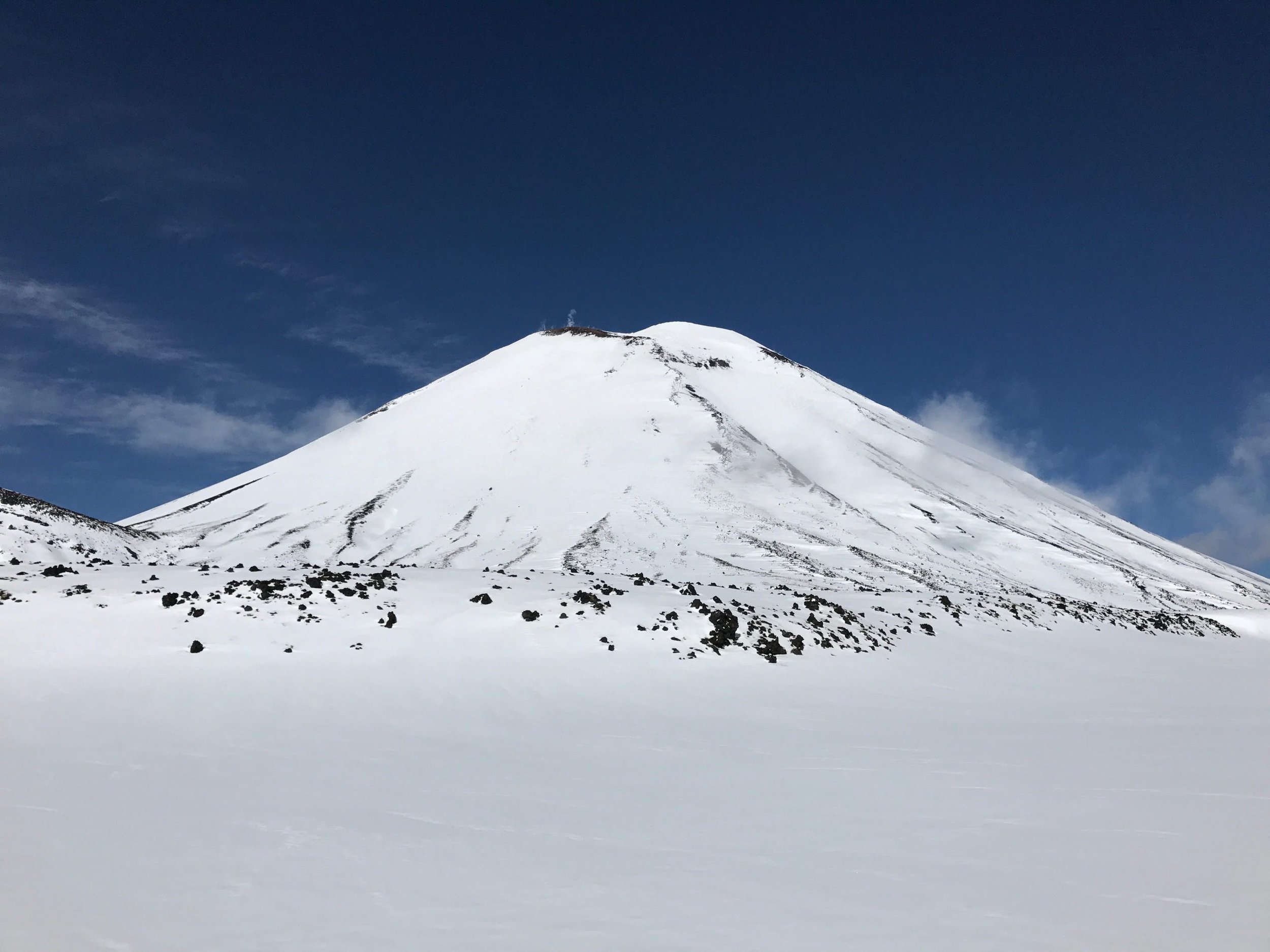
Beautiful 360 views looking back towards Mt Ngauruhoe
Insights
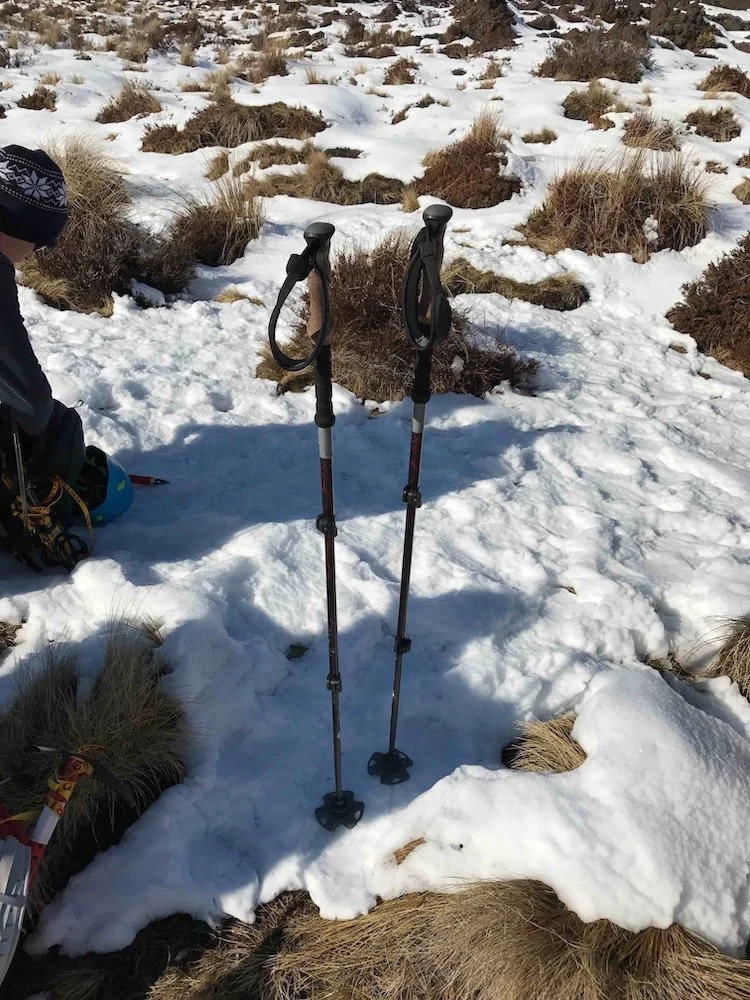
You can do this self guided if experienced, ensuring you have the right equipment for snow and ice conditions eg. hiking boots, warm jacket, waterproof trousers, backpack, crampons, ice axe and helmet (included for free if you book a guided crossing). Hiking poles are also helpful, ideally with snow baskets, when not using an ice axe
If you want to go with a guided group with equipment supplied in the price, we recommend adventureoutdoors.co.nz
Taking the right gear is essential – the weather is ever-changeable
Take at least 2 litres of water and food or snacks as there is no place on the crossing where you can obtain it – otherwise it will be a very long 19km to your pickup.
It takes around 8-9 hours to undertake the winter crossing, depending on conditions – this compares to around 6-7 hours in summer.
A good level of fitness is recommended.
Avoid wearing sports shoes and cotton clothes.
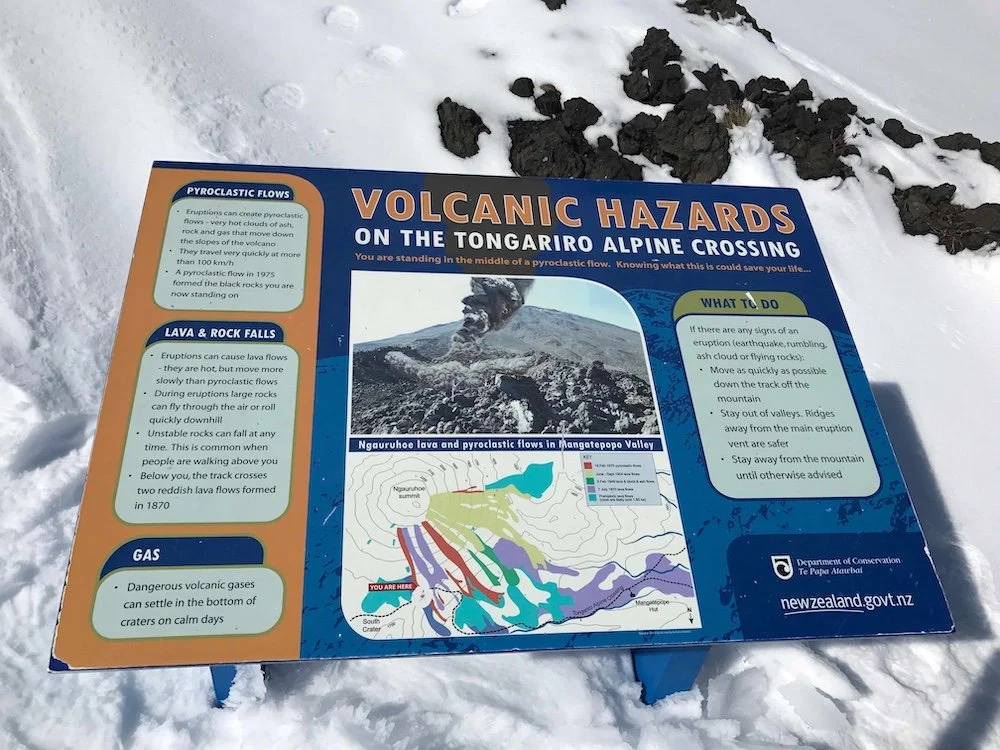
Beware of any volcanic activity on the mountain and check for any trail warnings
Great photo opportunities which are quite different to the summer crossing
Ensure you have arranged transport pick up at the end of the crossing – otherwise it’s a long walk home.