HIGH-ALTITUDE TREKKING TIPS
Trekking above 2,500 m (8,000 ft) is an unforgettable experience, but it also brings challenges that shouldn't be underestimated. While you can't truly acclimatise before you leave, you can prepare well and give yourself the best chance of enjoying your trek safely.
Important: This information is based on our personal trekking experience and is intended as a general guide, not medical advice. Always seek professional medical advice before travelling to high altitude, and follow the advice of your doctor and trekking guide while on the trail.
1. Build Your Knowledge
Before heading to high altitude, take the time to understand how altitude affects your body. Learn about Acute Mountain Sickness (AMS), including how to reduce your risk, recognise the symptoms and know what action to take if they occur.
If you're trekking independently, this knowledge is even more important. If you're joining a guided trek, it will help you understand the decisions your guide may make along the way.
There are many online resources on high altitude and AMS that are worth reading. For example this post from the Himalayan Rescue Association.
2. Get Expert Advice
Choose an experienced trekking company
If you're trekking with a guide, choose a reputable company experienced in high-altitude expeditions. Ask about:
Acclimatisation days built into the itinerary
Their approach to preventing and managing AMS
Emergency procedures and equipment eg hyperbaric (Gamow) bags
The experience of your guides
Speak with your doctor
Before you travel, discuss your plans with your doctor, particularly if you have any existing medical conditions or take regular medication. Ask about medications commonly used for altitude sickness, including whether they're appropriate for you and when they should be used.
Check your insurance
Not all travel insurance policies cover trekking above certain altitudes or emergency helicopter evacuations. Read the policy carefully and make sure you're covered for your planned trek. See our Guide to Trekking Insurance.
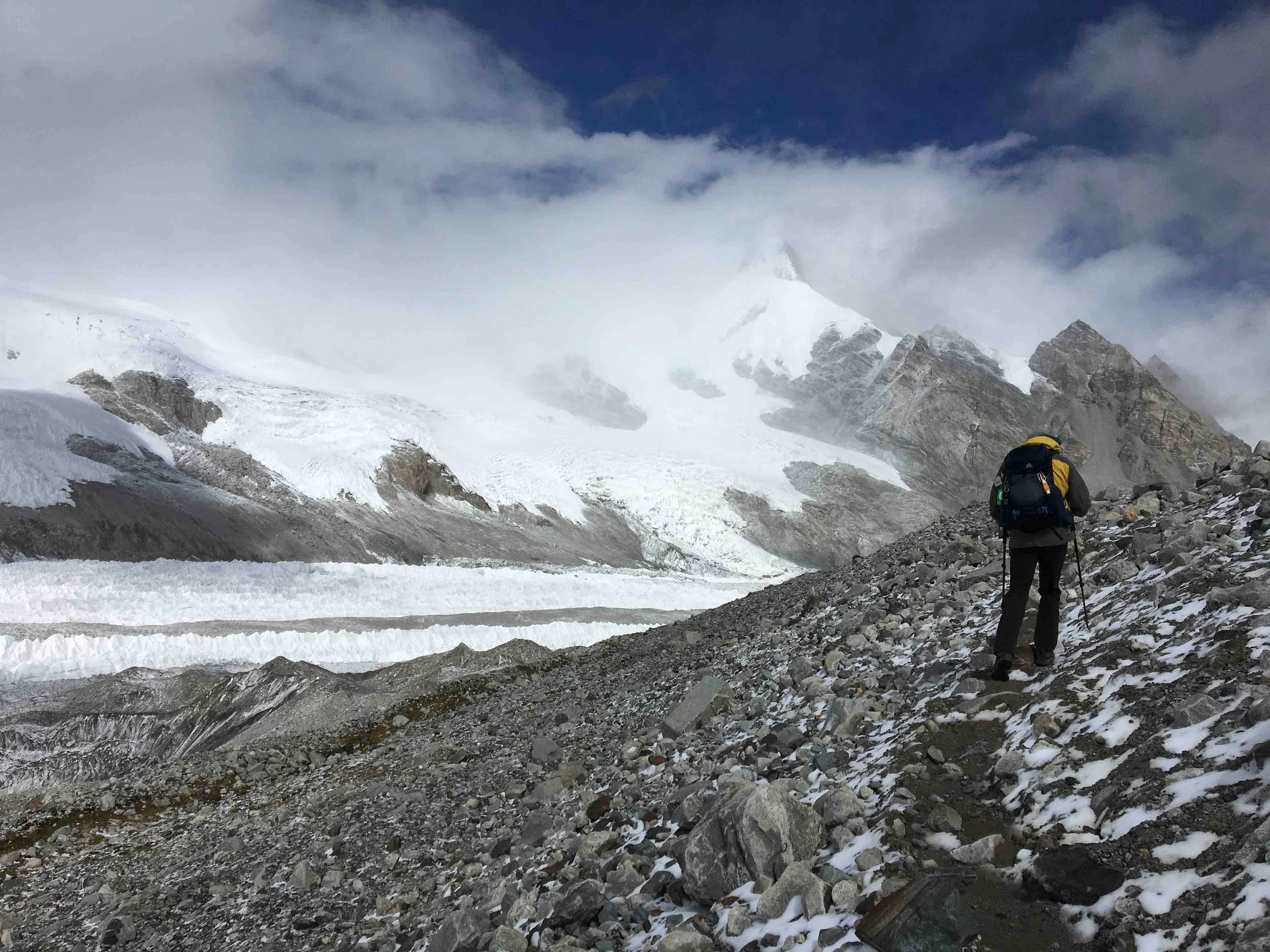
High altitude makes even simple daily tasks more demanding. Good preparation helps reduce unnecessary stress once you're on the trail.
Before you go:
Prepare physically, mentally and with the right gear.
Preparing for your first trek? Read our How to Prepare for a Trek guide.
Not sure what to pack? See our Trekking Gear guide.
Pack any medications you may need, including treatment for headaches and common trekking illnesses like the ‘Khumbu cough’ (a dry cough at altitude) and gastro.
If taking snacks, take a variety because your tastebuds can change at altitude, so what you like at sea level may not be so tasty higher up.
Develop your own strategy for altitude, such as staying well hydrated, walking at a steady pace and allowing time to acclimatise.
You usually can't acclimatise before your trek, but training, carrying a pack and spending time in the mountains beforehand can all help build confidence.
3. Prepare Yourself
Pace yourself
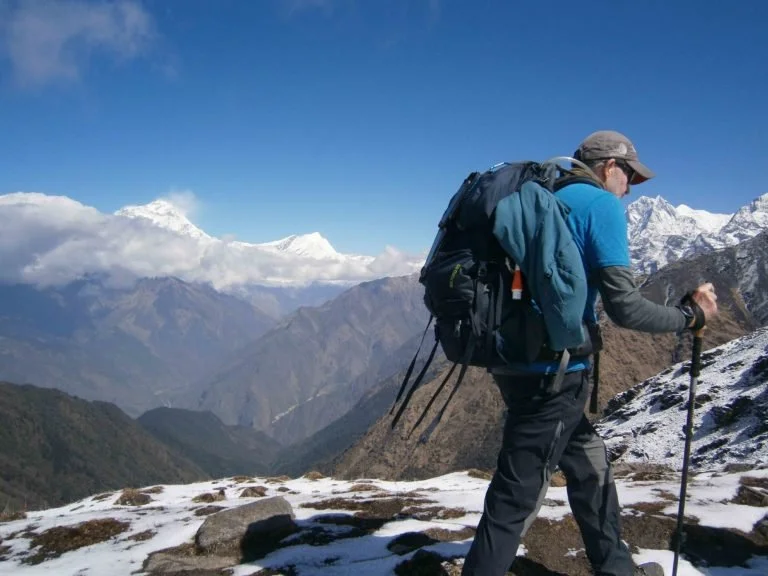
Go slow and steady — there are no prizes for speed. A gradual ascent gives your body the best chance to acclimatise.
Where possible, follow the principle of "climb high, sleep low." Acclimatisation days usually involve a short hike to a higher elevation before returning to sleep lower.
A buff over your mouth can also help warm and moisten the cold, dry mountain air.
Eat and drink well
Your appetite will often decrease as you gain altitude, so make the most of eating well at lower elevations and continue eating regular snacks throughout the trek.
Stay well hydrated by drinking around 3 litres of water each day, or more if recommended by your guide.
Monitor your health
Mild headaches are common at altitude, but don't ignore persistent or worsening symptoms. Stay hydrated, follow your guide's advice and always let them know if something doesn't feel right.
Good hygiene is equally important, as even a minor illness can have a much bigger impact at high altitude.
4. On The Trail
5. After Your Trek
Give your body time to recover. After a long high-altitude trek, it can take several weeks to fully regain your energy.
Take a few moments to reflect on your experience. What worked well? What would you do differently next time? Every trek teaches something new and helps you prepare for the next adventure.
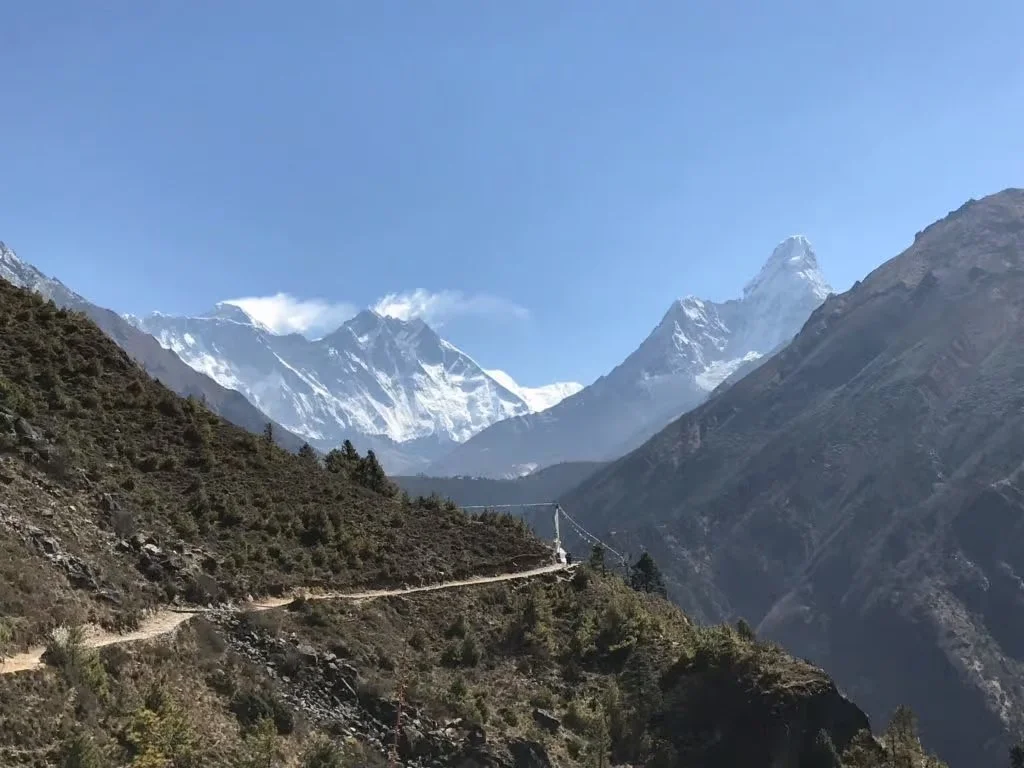
High altitude deserves respect, but it shouldn't stop you from experiencing some of the world's most spectacular mountain landscapes. With the right preparation, good judgement and an experienced guide, you'll give yourself the best chance of a safe and rewarding trek.
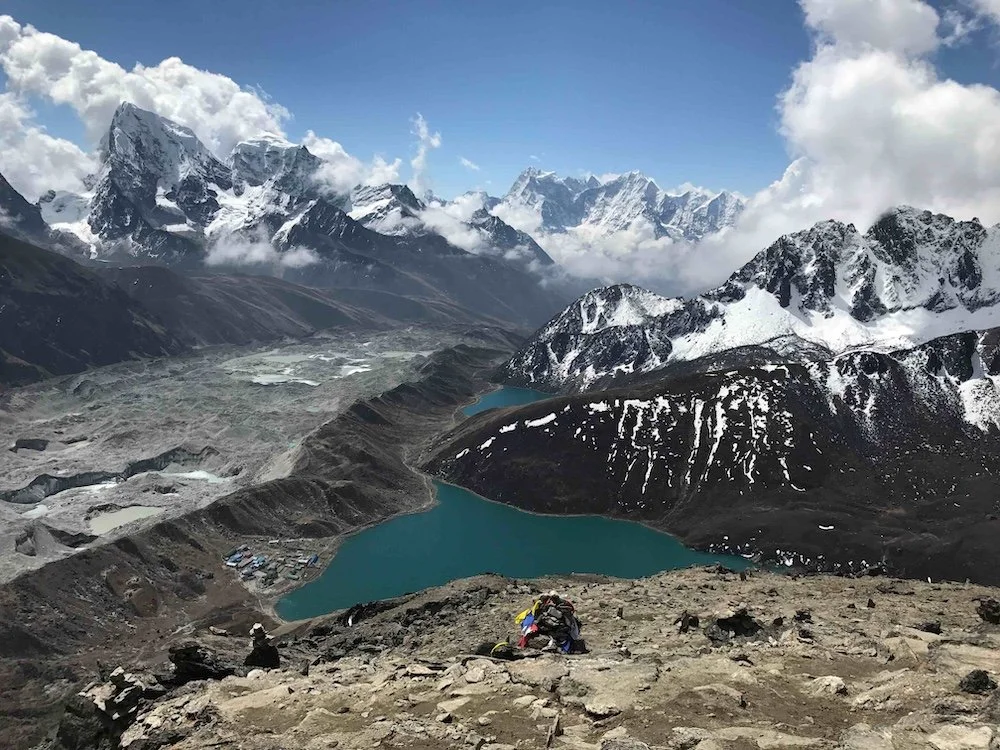
High altitude deserves respect, but it shouldn't stop you from experiencing some of the world's most spectacular mountain landscapes. With the right preparation, good judgement and an experienced guide, you'll give yourself the best chance of a safe and rewarding trek.