EVEREST
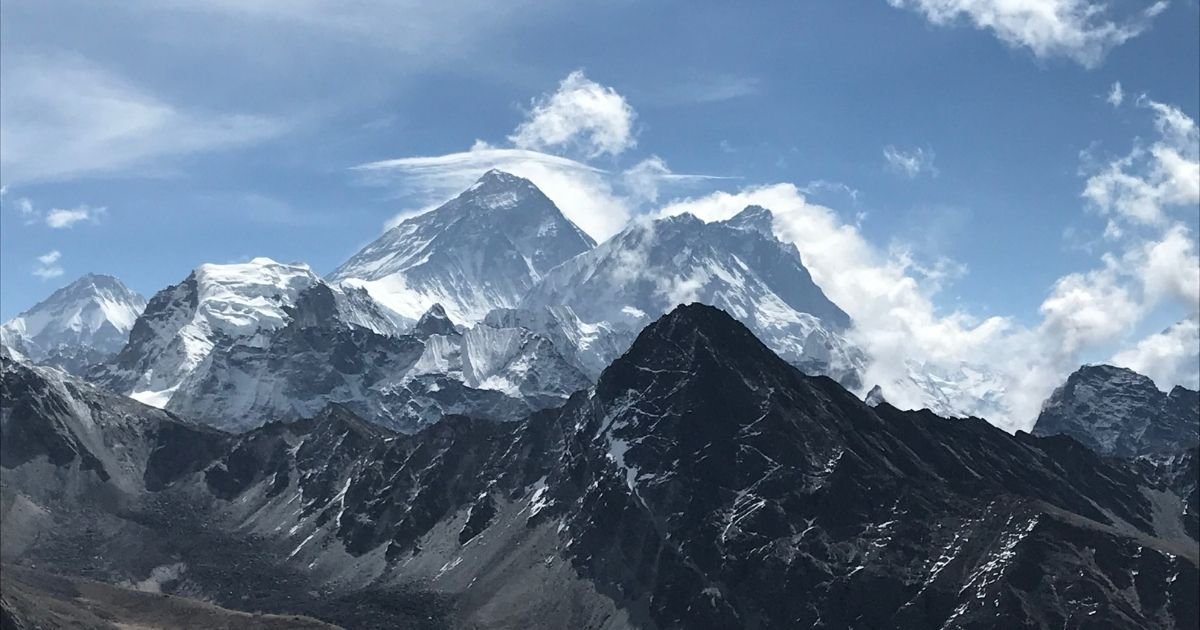
Mt Everest is the highest mountain in the world at 8848m / 29029ft. It was first climbed in 1953 by Edmund Hillary (New Zealand) and Tenzing Norgay (Nepal/India). It’s also known as Sagarmatha in Nepal and Chomolungma (or Qomolungma) in Tibet.
The first Australian ascent of Mt Everest was in 1984 by Tim Macartney-Snape and Greg Mortimer.
(Source: Himalayan Database)
PROJECT BASE8000 EXPEDITIONS:
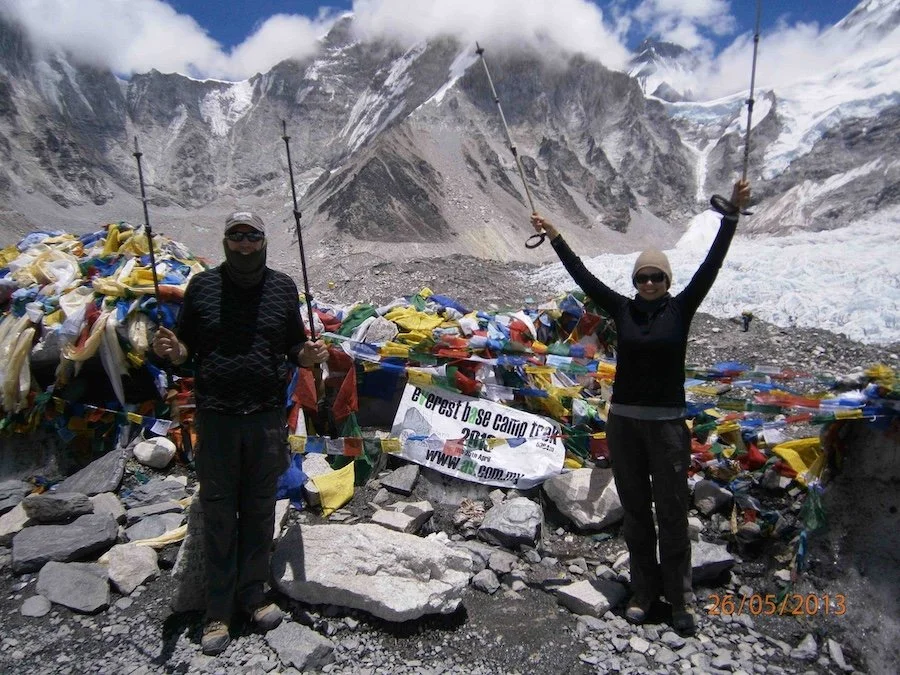
South Base Camp (Nepal): May 2013 and April/May 2017
North Base Camp (Tibet, China): September 2019
EVEREST BASE CAMP (SOUTH)
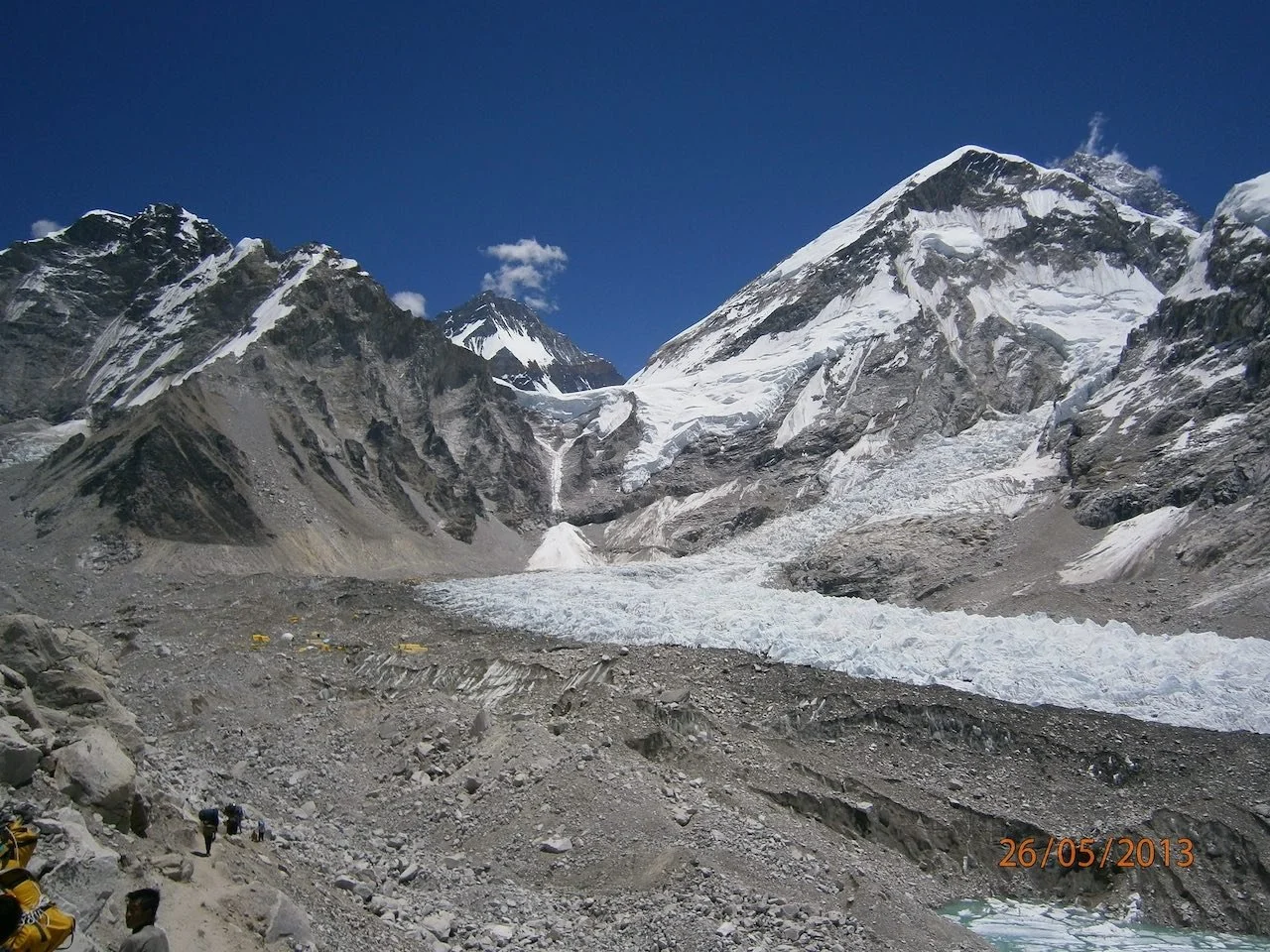
Nepal – 5364m / 17598ft
This is one of the most popular trekking routes in the Himalayas
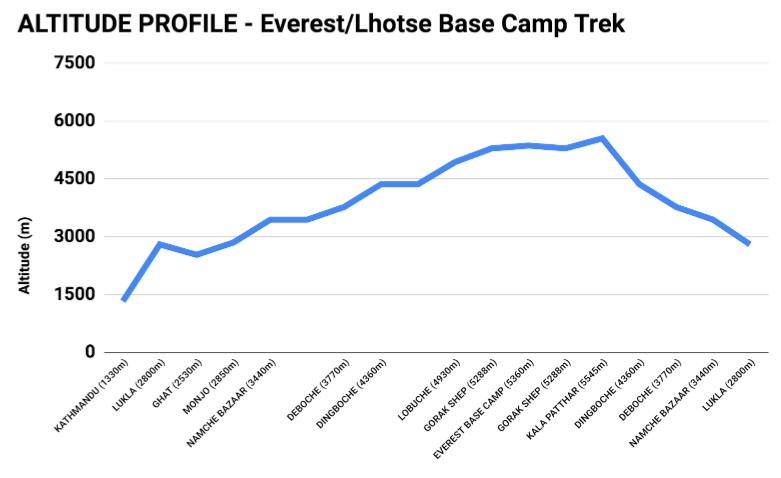
How to get there – from Kathmandu you take a 45 minute flight to the tiny mountain airport of Lukla and trek from there
Number of days trekking – the most direct route is typically a 13 day return trek, which allows for sufficient acclimatisation
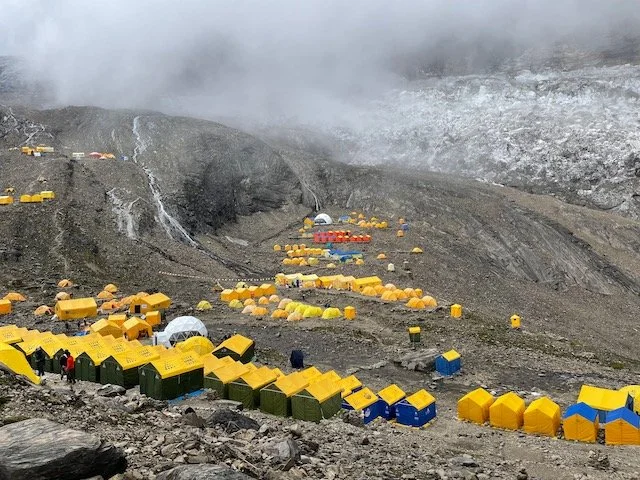
Best time of year to trek – April/May for weather and to see the climbing expedition tents on the glacier. October/November is also good for cool clear days. You can also trek there over winter (December/January/February) when it is much colder with more snow, and the advantage of being much less busy on the trail
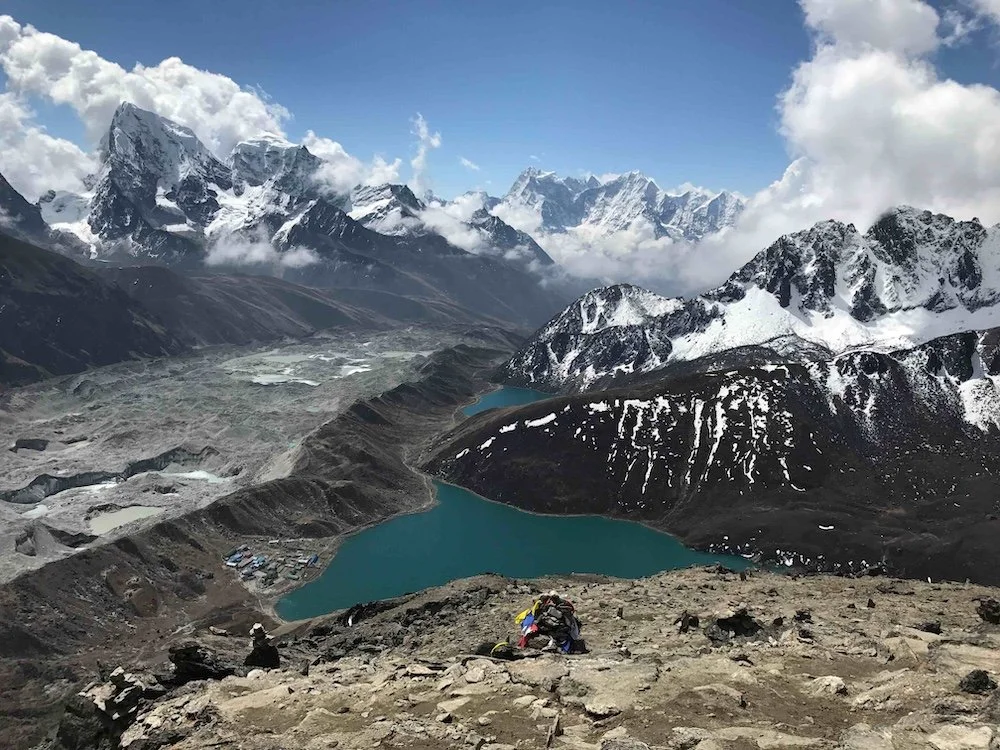
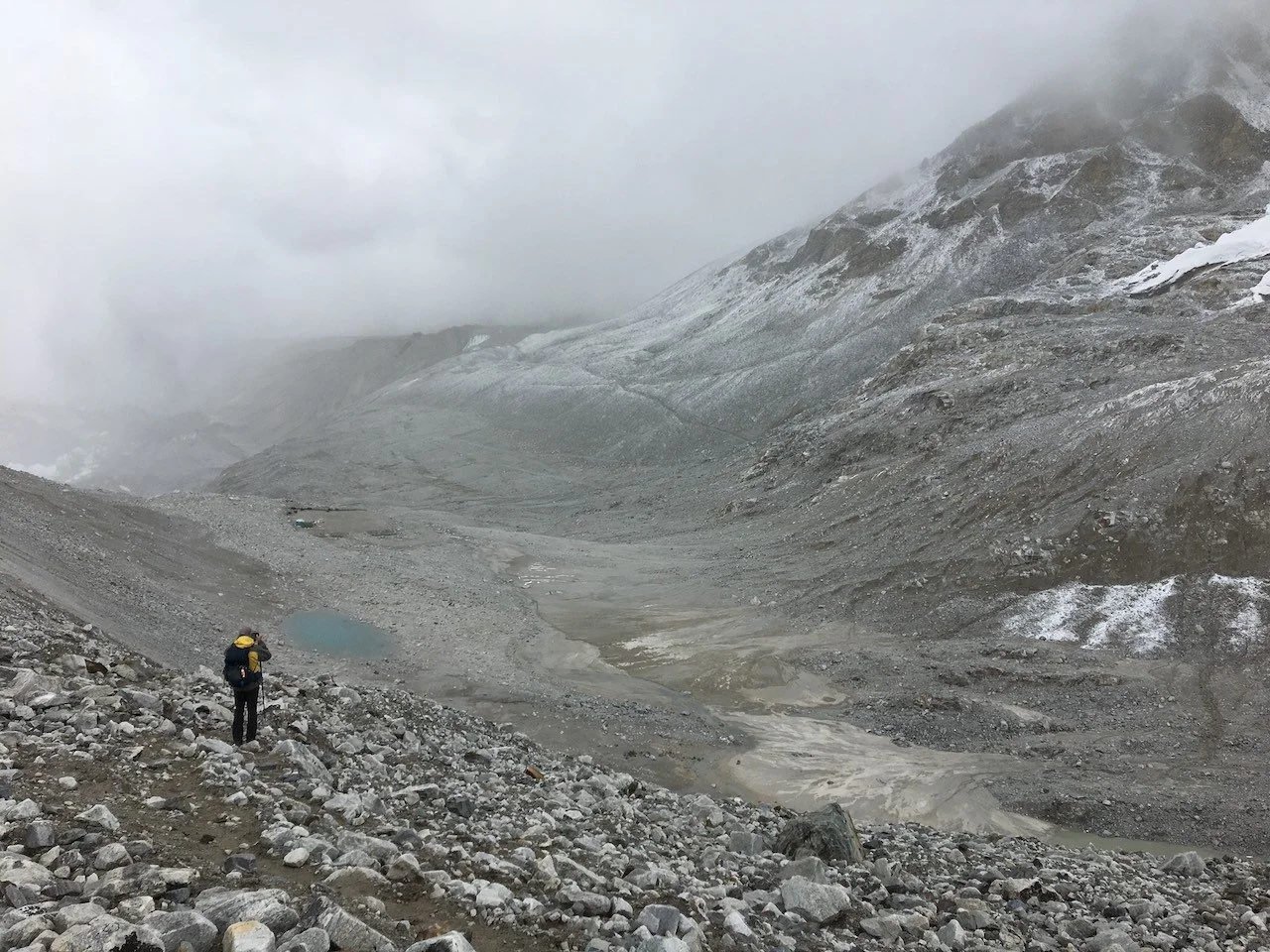
Alternative trekking routes – there are many other trails in the area, a popular one being the Everest Circuit which is a longer trek covering Gokyo Lakes, Cho La Pass and Everest Base Camp
It is also common to take the opportunity to hike to the top of Kala Patthar, a peak which overlooks Everest Base Camp and provides a spectacular view of Mt Everest itself as well as Lhotse, Nuptse, Pumori and other nearby mountains. From Everest Base Camp you can’t actually see the summit of Mt Everest which is why Kala Patthar is climbed
This base camp is also used for climbing Lhotse, the 4th highest mountain
EVEREST BASE CAMP (NORTH)
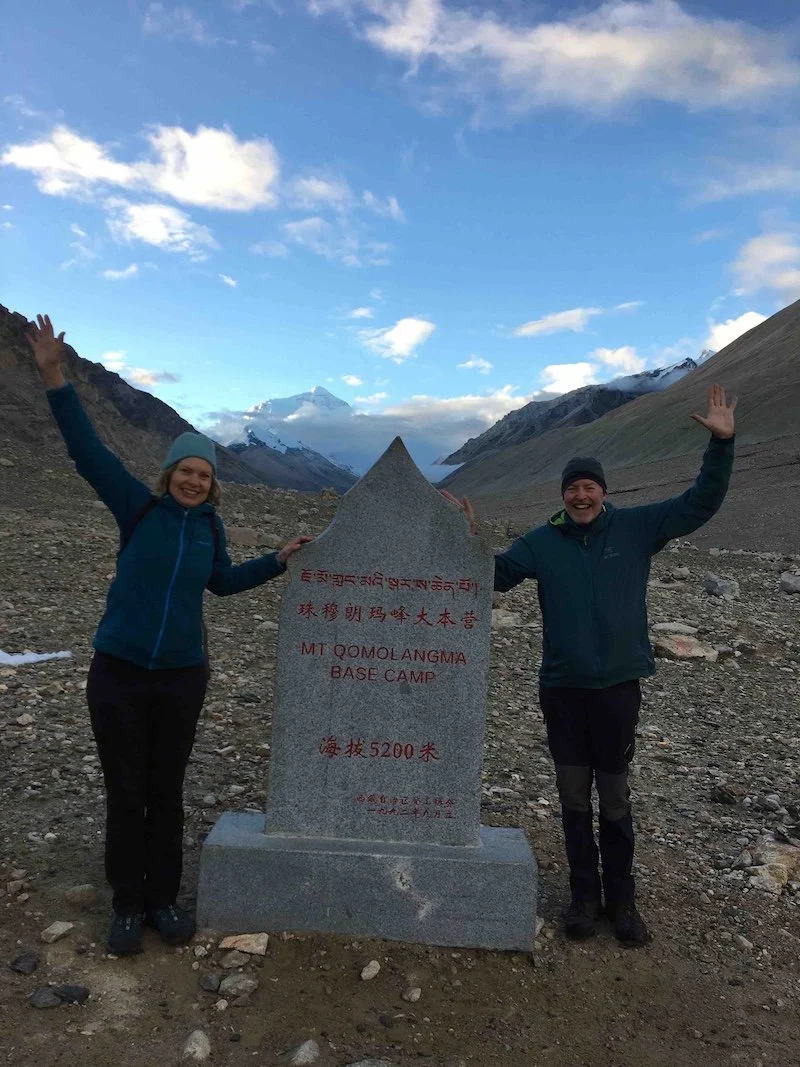
Tibet (China) – 5200m / 17060ft
This is not a trek, as there is a road all the way to Base Camp
We stayed at North Base Camp in September 2019
EVEREST BASE CAMP TREK - WATCH OUR VIDEOS
EVEREST BASE CAMP TREK - READ OUR STORIES