TREKKING FOR BEGINNERS
Thinking about going trekking but not sure where to start?
Whether you're completely new to trekking or getting back into it after a few years, the best way to prepare is to build your experience gradually. Start with short hikes, progress to longer and more challenging days, then try a multi-day trek before taking on your bigger adventure.
Along the way, you'll get fitter, learn what works for you and your gear, and become more comfortable with life on the trail.
1. Start With Half-Day Hikes
Begin with short hikes of around 3–4 hours close to home.
Don't make them too challenging at first. Use them to get comfortable walking for several hours and to test your boots, backpack and clothing.
Start with a light pack and gradually increase the weight as you become more comfortable. Even on a short hike, take the essentials you'll need on a longer trek, including water, snacks, sun protection, rainwear and basic first aid.
And don't wait for perfect weather. Hiking in different conditions is one of the best ways to learn what works — and what doesn't.
2. Progress to Day Hikes
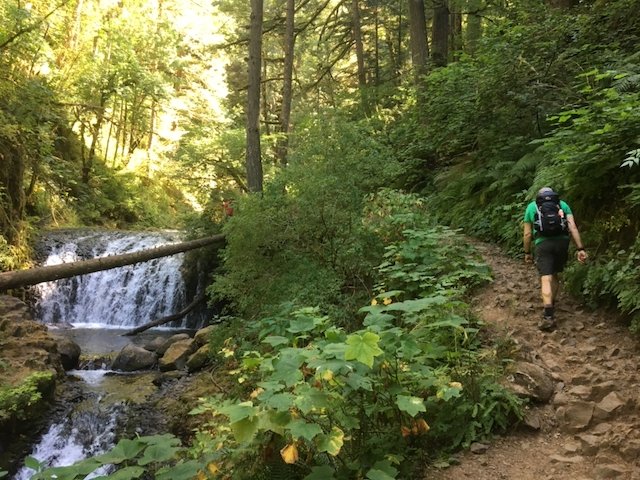
Once you're comfortable with shorter hikes, build up to full days on the trail.
Try hikes of 6–7 hours or more and look for varied terrain, including hills. This is a good opportunity to see how your body handles longer days and to identify any problems with your boots, backpack or other gear.
Experiment with things like trekking poles (one, two or none), hydration (bottles vs bladder) and different clothing layers. Gradually increase the weight you carry as your endurance improves.
The aim isn't to prove how tough you are. It's to learn what works for you before you head somewhere more remote.
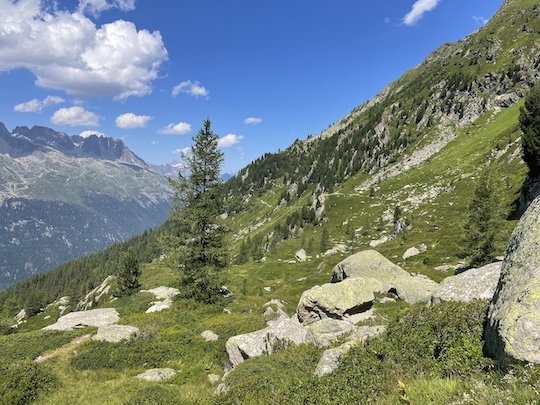
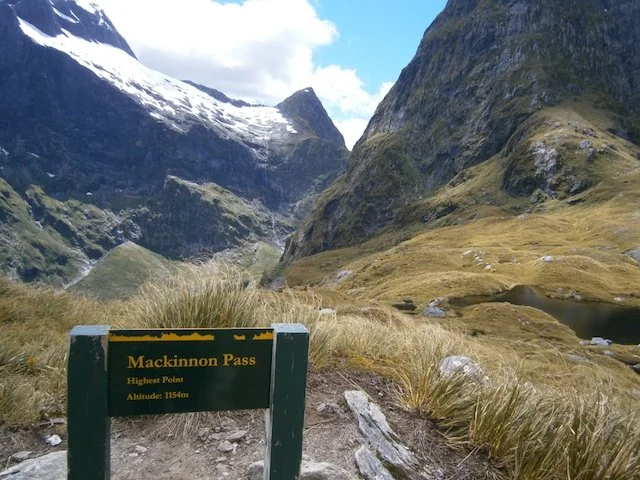
A 2–5 day hike is a great next step before taking on a longer trekking adventure.
Walking day after day gives you a very different experience from a single-day hike. You'll need to manage your energy, food, water and equipment while also getting used to sleeping in the wilderness.
It's also a chance to discover how you cope when you're tired, the weather isn't great or things don't go according to plan.
If it's your first overnight trek, joining a guided group can make the experience easier and give you the confidence to try it for yourself.
3. Try a Multi-Day Hike
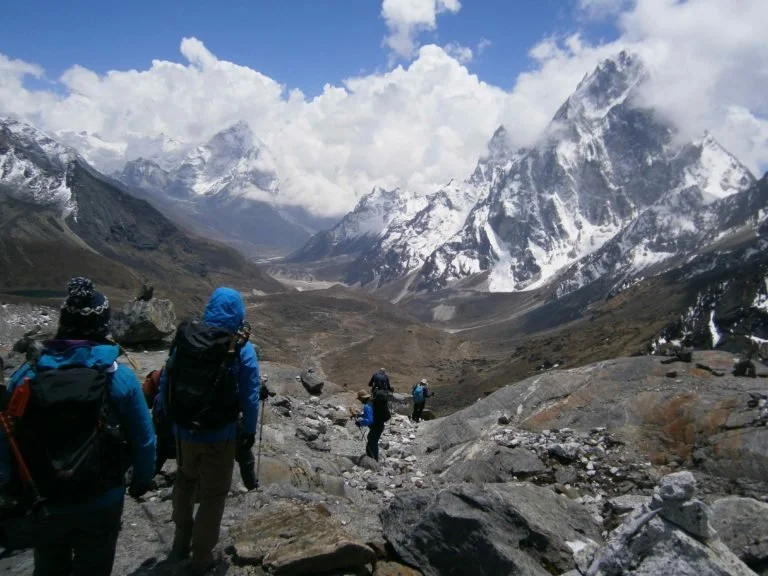
If you're planning to trek in places such as the Himalaya, Andes or other high-altitude destinations, altitude needs to be part of your preparation.
High altitude is generally considered to begin around 2,500m above sea level, and your body needs time to acclimatise as you ascend.
Before you go, learn about acute mountain sickness (AMS), how to recognise the symptoms and what you can do to reduce the risks.
Check your itinerary for appropriate acclimatisation days and make sure you understand what your trekking company or guide does if someone becomes unwell.
You also need the right insurance for your altitude and activity, including appropriate medical evacuation cover.
For more information, see our High-Altitude Trekking Tips.
4. Understand Altitude
5. Go Trekking!
Once you've built up your experience, tested your gear and discovered what works for you, you're ready to take the next step.
It doesn't have to be a three-week trek in the Himalaya. Start with an adventure that feels challenging but achievable, then see where it takes you.
There's no perfect way to start trekking. The important thing is to start.
And if you're planning your first bigger adventure, our How to Prepare for a Trek guide covers the practical things to think about before you go — from gear and preparation to looking after yourself on the trail.