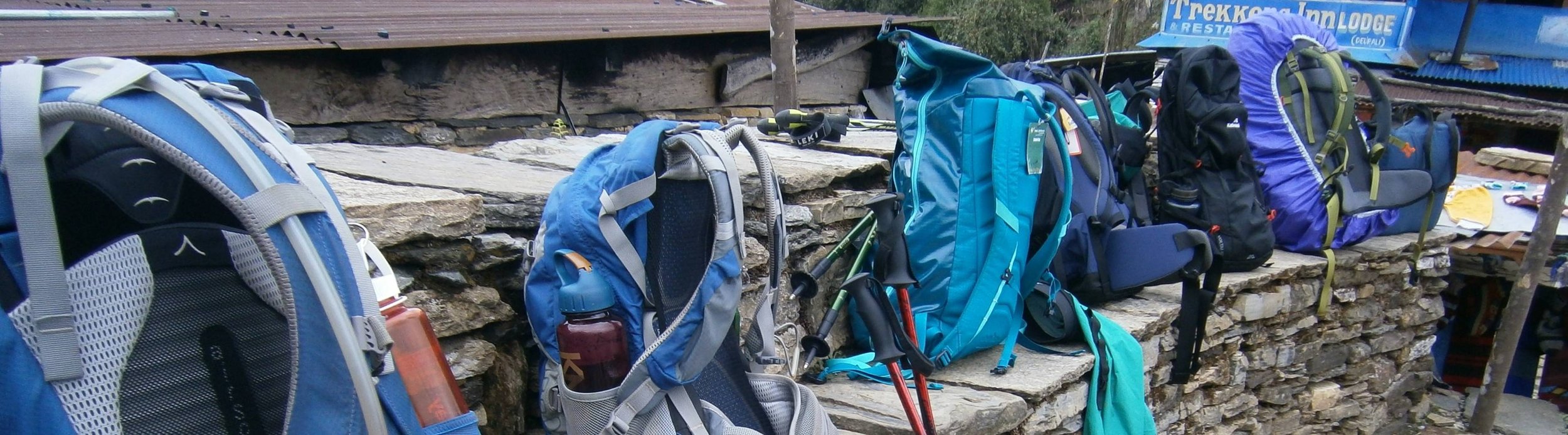
TREKKING GEAR
The best trekking gear is the gear you know works.
You don't need the most expensive equipment or the latest technology. You need gear that's appropriate for your trek, fits you well, works in the conditions you'll encounter — and that you've actually used before you leave.
After years of trekking in the Himalaya, Karakoram and elsewhere, we've learnt that familiar, reliable gear is worth far more than brand-new equipment straight out of the box.
Your trekking company or guide should provide a recommended gear list. Start there rather than trying to create your own from scratch.
Your requirements will vary depending on the destination, season, altitude, weather, accommodation and whether you're carrying your own gear or using porters.
Once you have your list:
Check what you already have.
Find out what your trekking company provides or allows you to hire.
Buy, borrow or hire anything you're missing.
Give yourself plenty of time to test everything before you go.
You don't necessarily need to buy everything new. Borrowing or hiring can be a great way to avoid spending money on specialist gear that you may only use occasionally.
Start With Your Trek's Gear List
Get Your Boots Right
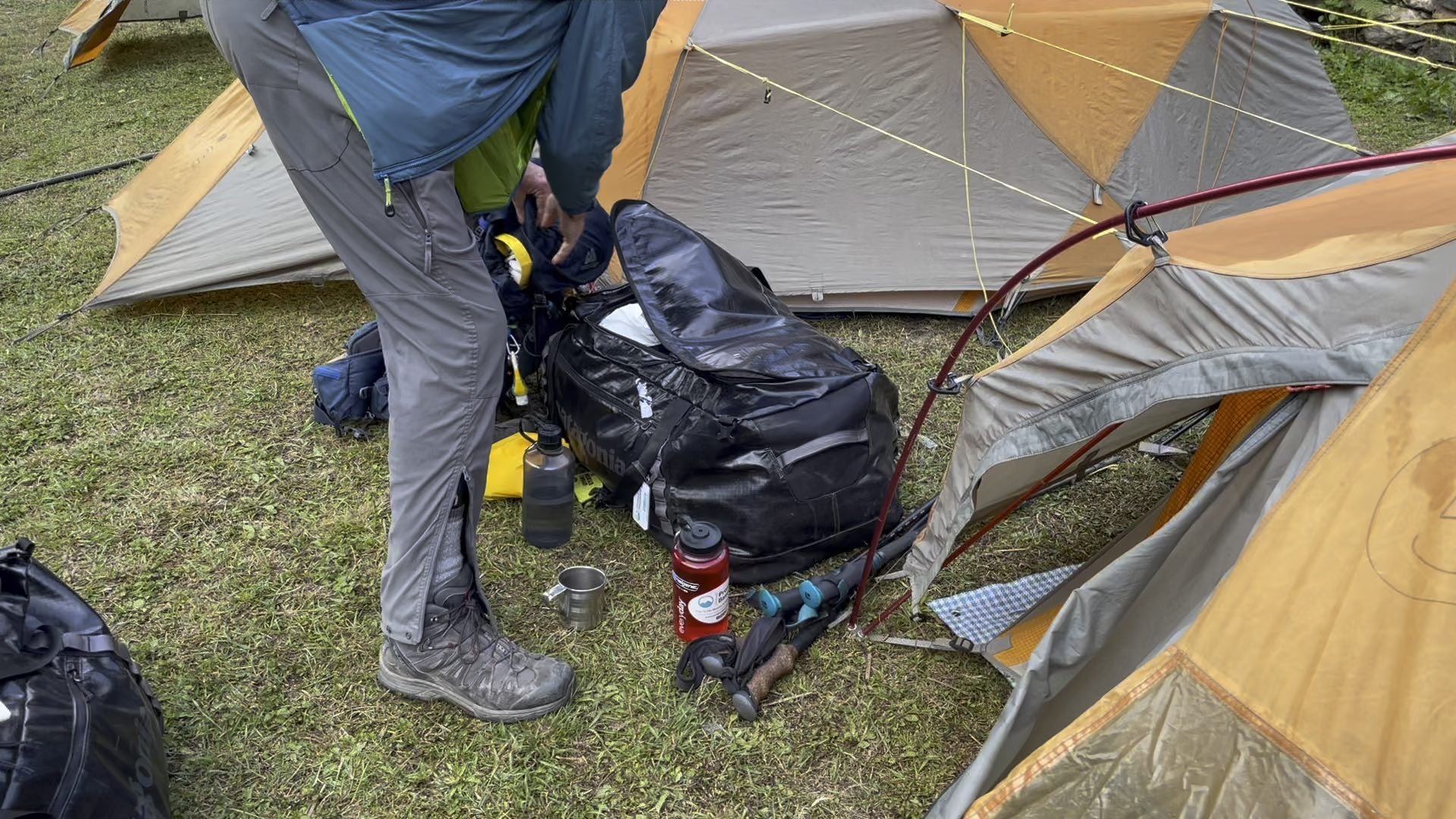
Your boots are one of the most important pieces of gear you'll take.
Choose footwear that's appropriate for your trek and, most importantly, fits comfortably. Consider the terrain, weather, ankle support, grip and weight you'll need.
Then wear them in well before you leave.
Start with shorter walks and gradually use them on longer hikes. This gives you time to identify problems with fit, hot spots or blisters and make adjustments.
Don't discover that your boots don't work for you on day one of your trek.
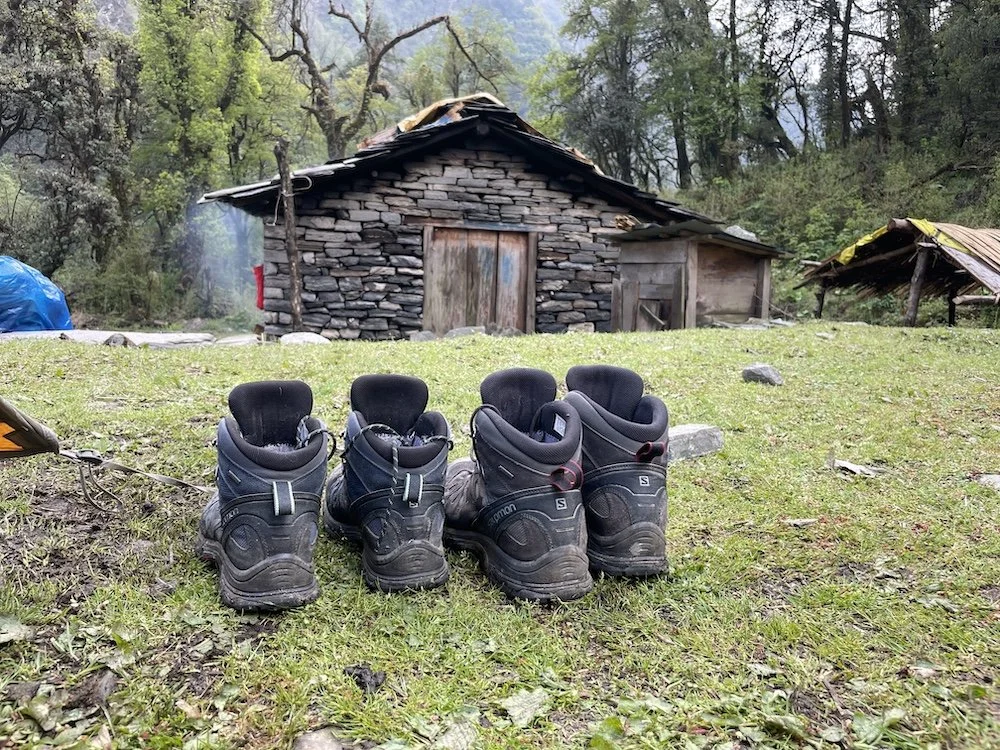
Don't wait until you're on the trail to discover that something doesn't work.
Test your important gear before you leave, particularly:
Backpack
Boots and socks
Rainwear
Warm layers
Trekking poles
Headtorch
Water bottles or hydration system
Any specialist equipment you'll be relying on
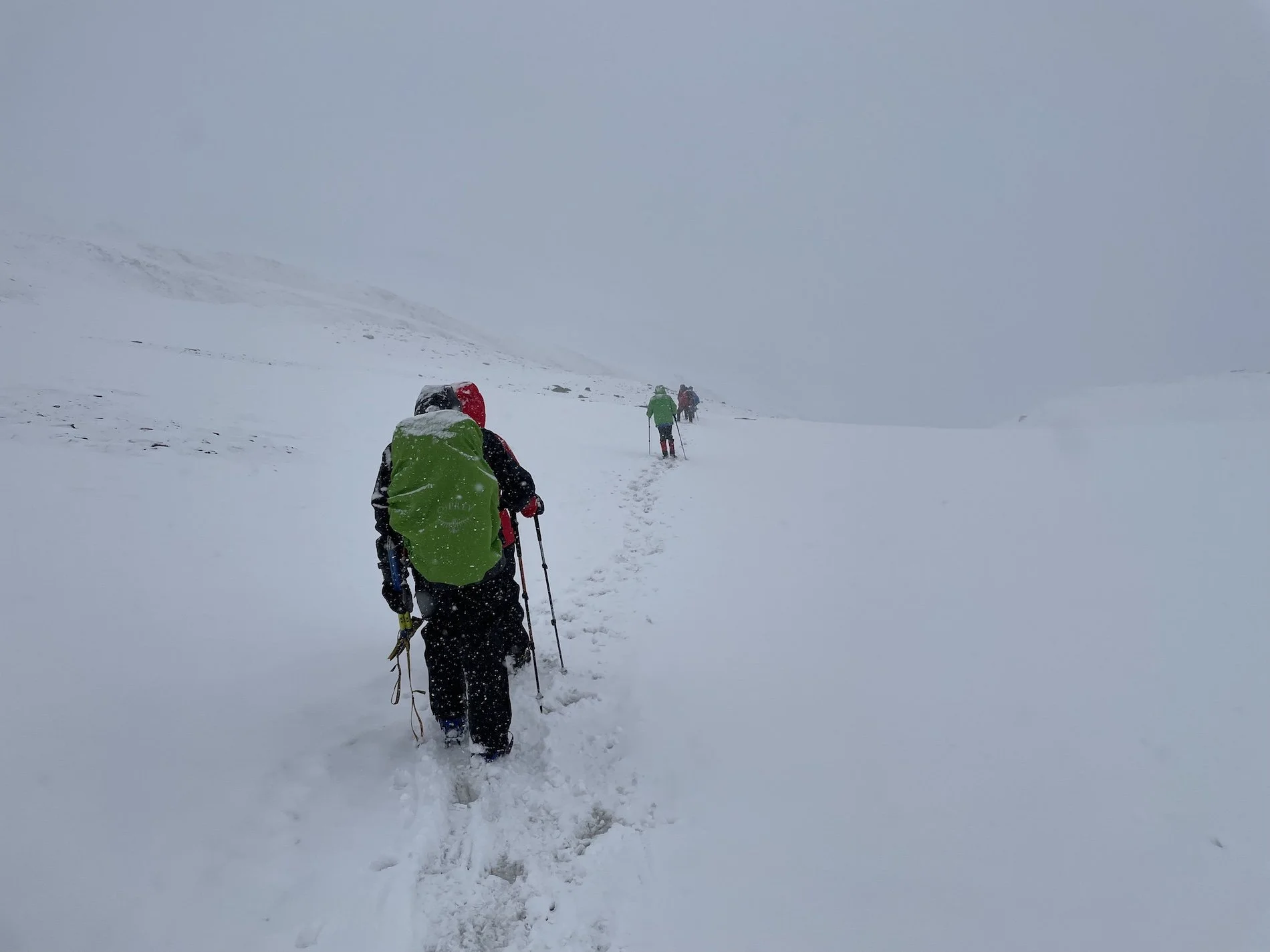
Try your gear in conditions similar to those you'll encounter. Wear your rain jacket in the rain. Test your layers in cold weather. Walk with your loaded backpack.
And make sure you know how everything works. Being familiar with your gear makes life much easier when you're tired, cold, wet or trying to get organised in the dark.
Test Everything
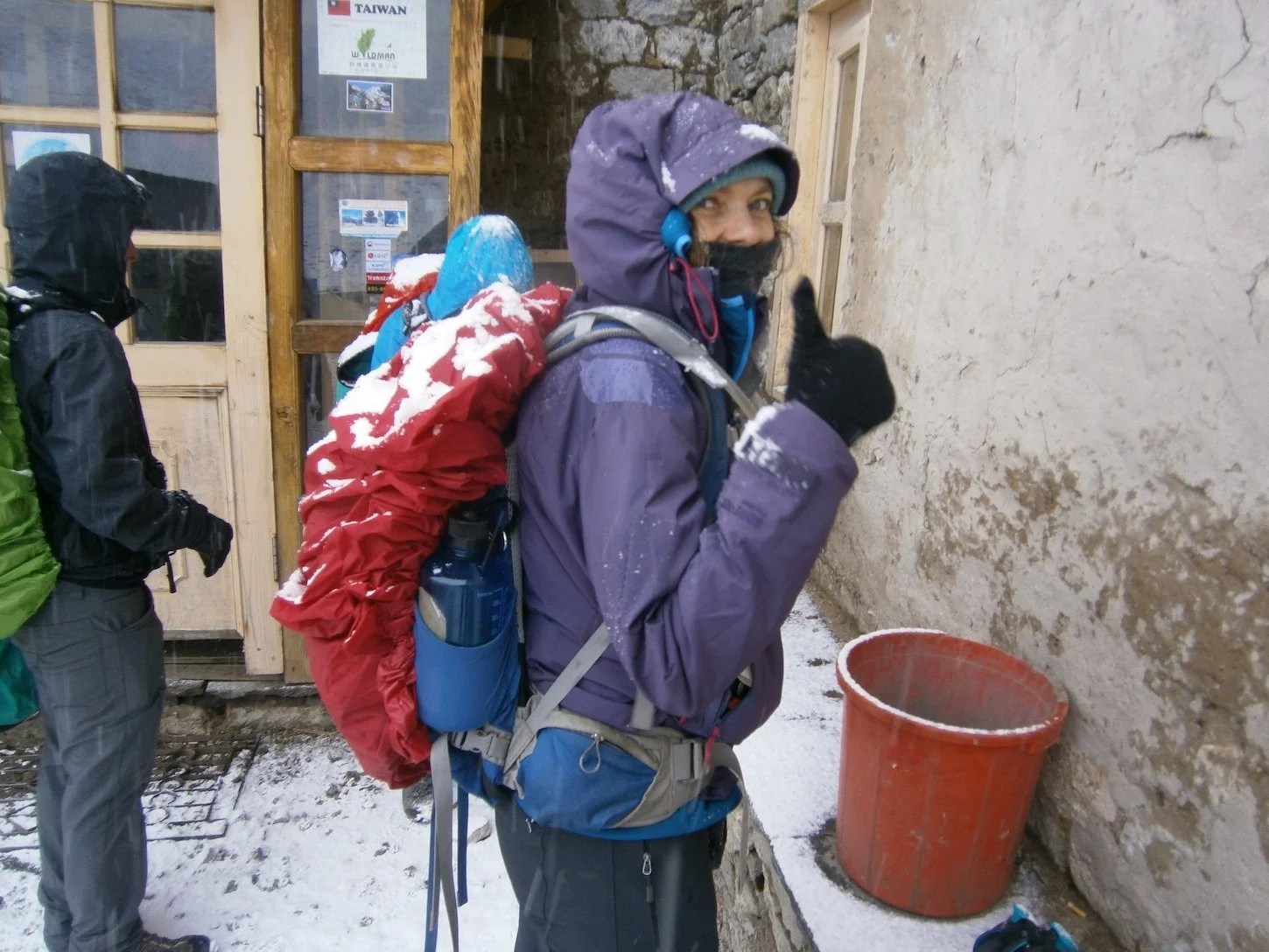
There's a simple rule when packing for a trek:
Take what you need — not everything you own.
Weight matters, particularly when you're walking for several hours a day or carrying your own pack.
Do a test pack before you leave and weigh it. Think about what's essential and what's merely nice to have. Look for lighter alternatives where they make sense, but don't sacrifice reliability just to save a few grams.
Remember to include things that are easy to overlook, such as water, batteries and any gear you'll be borrowing or hiring.
If you're using porters, find out exactly what you'll be expected to carry yourself and the what they will carry for you. Also note any weight limits required for porters and internal flights.
Keep It Light
Think About The Conditions
Your gear needs to match your adventure.
A summer hiking trip in New Zealand will have very different requirements from a high-altitude trek in the Himalaya.
Before you leave, consider:
Weather and temperature
Terrain and altitude
How remote the trek is
Whether you'll be camping or staying in lodges
How much water you'll need to carry
Whether you'll have access to food, shops or laundry
Any equipment required for snow, ice or other specialist conditions
Your trekking company, guide and people who have recently completed the same trek can be useful sources of advice.
Pack, Test, Refine
One of the best things you can do is take your gear on practice hikes before your trip.
You'll quickly discover what works, what doesn't and what you don't actually need.
After each hike, make a few notes and refine your kit. By the time you leave for your bigger adventure, your gear should feel familiar rather than experimental.
The goal isn't to have the perfect gear list. It's to have gear that works for you.
A Final Packing Tip
If you're flying to your trek, consider carrying your hiking boots in your hand luggage. If your checked luggage is delayed or lost, at least you'll have the most important piece of equipment with you.
Also check airline, customs and biosecurity requirements before travelling. Some countries have strict rules about bringing used outdoor equipment, particularly footwear and camping gear.
Over the years we've used plenty of different brands and types of equipment. Some worked brilliantly. Some didn't.
Rather than recommending specific products that may no longer be available or may have changed, we'd suggest focusing on the things that matter most:
Fit. Comfort. Reliability. Weight. Suitability for your trek.
And above all: test it before you go.
For more practical advice, see our How to Prepare for a Trek guide.