TREKKING AND MOUNTAINEERING INSURANCE
Insurance isn't the most exciting part of planning an adventure — but getting it wrong can be.
Trekking and mountaineering insurance can be particularly tricky when you're heading to high altitude or using technical equipment such as crampons, ice axes, ropes or harnesses.
We researched insurance for our own expeditions and learnt that the most important thing isn't simply finding a policy — it's making sure the policy covers what you're actually planning to do.
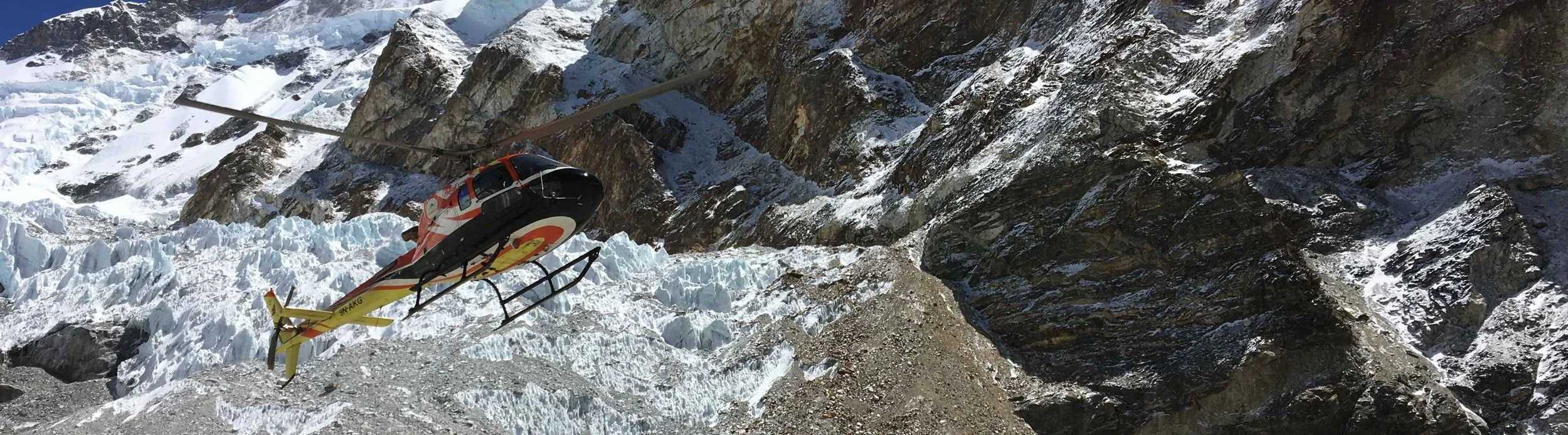
Policies change regularly, so rather than recommending particular providers, here's what we think is worth checking before you go.
Important: This is general information based on our own research and experience, not financial or insurance advice. Policies, conditions and exclusions change, so always read the current policy wording and confirm your cover directly with the insurer before you travel.
What To Check First
If you're travelling with a trekking or mountaineering company, ask them what insurance and/or rescue cover they require before you book.
They may have specific requirements for:
minimum medical and evacuation cover
altitude
search and rescue (not always required)
mountaineering activities (with technical equipment)
emergency communication
proof of insurance before departure
They may also recommend providers or rescue services, although availability will depend on your country of residence.
The Five Things That Matter Most
Start with these five things to quickly narrow down your options when looking for insurance.
1. Destination
Check that your destination and the regions you'll be travelling through are covered, including any exclusions relating to government travel advisories.
This is particularly important for remote or higher-risk destinations. If the travel advisory level changes before or during your trip, don't assume your existing cover will automatically remain valid.
2. Altitude
Don't assume that a policy covers you simply because it says it covers trekking.
Find out the maximum altitude you'll reach and check the limit for the specific activity you're doing. Some policies have different limits for hiking, trekking, climbing and mountaineering, or require an additional option for higher altitudes.
If you're heading above 2,500–3,000m, check the altitude limit carefully. High-altitude expeditions may require cover considerably higher than this.
3. Your Activity
This is where things can get complicated.
Confirm the types of activities you’ll be doing such as trekking and mountaineering, types of terrain or conditions, types of equipment used, types of transport to get to/from the trailhead etc.
Some policies cover trekking but exclude mountaineering. Others may cover walking on established trails but exclude activities involving ropes, crampons, ice axes, harnesses or other technical equipment.
If your itinerary involves things like glacier travel, snow or ice, rock or ice climbing, bouldering or mountaineering, check the definitions and exclusions carefully.
Don't assume that "trekking" covers everything you might do on your trip.
4. Search, Rescue and Evacuation
These aren't necessarily the same thing.
For example, an ordinary travel insurance policy may cover medical evacuation from a known location to appropriate medical care, but not the cost of searching for you if you become lost or injured in a remote area.
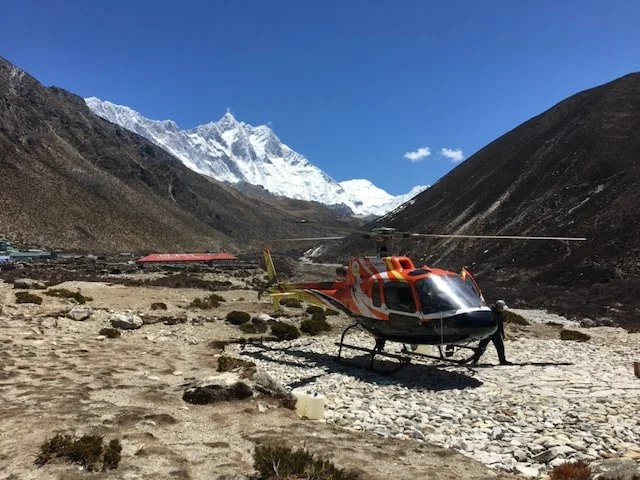
Specialist rescue organisations provide another option, particularly for remote or high-altitude expeditions (more often for mountaineering). Some subscription services for satellite communication devices (if your destination country allows them) also offer search, rescue or evacuation add-ons.
If you're considering specialist rescue membership, check:
whether search is included
altitude limits
geographical exclusions
communication requirements
what qualifies as a rescue or evacuation
You may still need travel insurance to cover medical expenses, cancellation and other travel-related costs.
5. Medical Expenses and Repatriation
Check that your policy covers medical treatment for illness or injury and repatriation — getting you home if you're seriously ill or injured.
Depending on where you're travelling and your country of residence, you may have access to reciprocal healthcare arrangements or other local schemes. These can be useful, but they don't replace comprehensive travel insurance.
Other Things To Check
Once you've established that the five essentials are covered, check the policy for:
Cancellation and Interruption - recovering prepaid costs if your trip can't go ahead or is cut short.
Travel Disruption - additional accommodation, transport or other costs caused by delays or unexpected events.
Baggage and Equipment - particularly if you're travelling with expensive trekking or mountaineering gear.
Pre-Existing Medical Conditions and Medication - check what needs to be disclosed and get clarification in writing if you're unsure.
Trip Length - some policies have maximum trip durations. An annual policy may sometimes make sense if you're travelling frequently.
Weather and Natural Disasters - consider risks such as landslides, avalanches, road closures and cancelled or delayed internal flights, then check whether they're actually covered.
Age and Eligibility - conditions can vary depending on your age, country of residence and type of trip. Professional guides and instructors may need different cover.
Excess and Exclusions - don't just look at the headline level of cover. Read the exclusions and definitions carefully.
Where To Look For Cover
There are three main places to start. You may need a combination of these options to get the cover that's right for your expedition.
Travel Insurers
Traditional travel insurance is usually the best place to start for medical expenses, cancellation, travel disruption, baggage and general travel cover.
Adventure activities and higher altitudes may require a higher level of cover or an additional adventure option.
Specialist Rescue Organisations
Specialist providers focus on search, rescue and evacuation, particularly in remote environments.
They're generally membership services rather than conventional travel insurance. Some also offer additional medical or travel insurance options.
Alpine and Mountaineering Clubs
Some alpine and mountaineering clubs provide members with limited rescue, medical or repatriation cover while participating in mountain activities.
Cover varies considerably, so check the conditions, geographical restrictions and altitude limits carefully.
If You're Travelling From Australia
Finding suitable high-altitude or mountaineering cover can be particularly challenging for Australians. Policies that appear to cover trekking may have relatively low altitude limits or exclude activities involving snow, ice or technical equipment.
If you're Australian, don't simply search for "travel insurance for trekking". Start with your specific requirements — destination + maximum altitude + activity + technical equipment — and then compare policies against those requirements.
The Australian market changes regularly, so we no longer maintain a list of individual providers. Instead, use the checklist above to assess the current options available to you.
It's also worth checking whether your credit card, health insurer, airline, professional association or other memberships provide any travel insurance or discounts, although these policies may have significant restrictions.
If Something Goes Wrong
Knowing what to do if something goes wrong can be just as important as buying the right policy.
Before You Travel
Save your insurer's emergency assistance number somewhere accessible.
Keep a copy of your policy and certificate of insurance.
Give your expedition company your insurance details.
Check whether two-way satellite communication is required for rescue or evacuation.
Keep important documents and receipts.
If your policy requires it for claims relating to mobile phones or devices, make a note of the IMEI (International Mobile Equipment Identity)
During Your Trip
If something happens, follow the insurer's procedures as closely as possible e.g they may require you to contact them before arranging medical evacuation. Keep records of what happened and collect supporting documentation such as medical reports, receipts, airline correspondence and information from your trekking or expedition company.
Keep evidence of any additional costs and the steps you took to minimise them — for example, changing flights or accommodation without penalty or seeking refunds where possible.
Making a Claim
Make it as easy as possible for the insurer to understand what happened and why you're claiming.
Provide everything they request, in the required format and in a logical order. Refer to the relevant section of the policy wording where appropriate and keep copies of everything you submit.
One Last Tip
Read the fine print.
We know — nobody wants to spend their time reading insurance policies when they'd rather be thinking about mountains.
But when you're several days into a remote trek, discovering that your policy doesn't cover your altitude, activity or evacuation can be a very expensive lesson.
Take the time to check before you leave. If something isn't clear, ask the insurer directly and get the answer in writing.
It could be the most worthwhile part of your preparation.