HOW TO PREPARE FOR A TREK
Whether you're planning your first multi-day hike or dreaming of trekking to one of the world's great mountain destinations, a little preparation goes a long way.
Over more than a decade, we trekked to the base camps of all fourteen 8,000-metre mountains. Along the way, we discovered that successful treks aren't about having the most expensive gear or being the fittest person in the group. They're about preparing well, staying adaptable and enjoying the journey. Rather than getting lost in endless checklists, focus on these five key areas.
1. Choose the Right Trek
The best trek isn't always the highest, longest or most famous—it's the one that's right for you.
When choosing a trek, consider:
Your current fitness and hiking experience
The altitude and difficulty
The time of year and weather conditions
The length of the trek
The style of adventure you're looking for
Starting with a trek that matches your experience will help build confidence and make the whole experience far more enjoyable.
Need ideas? Use our Trek Finder for inspiration.
2. Build Your Fitness
You don't need to be an elite athlete to complete an incredible trek, but you will enjoy it much more if you've prepared your body beforehand.
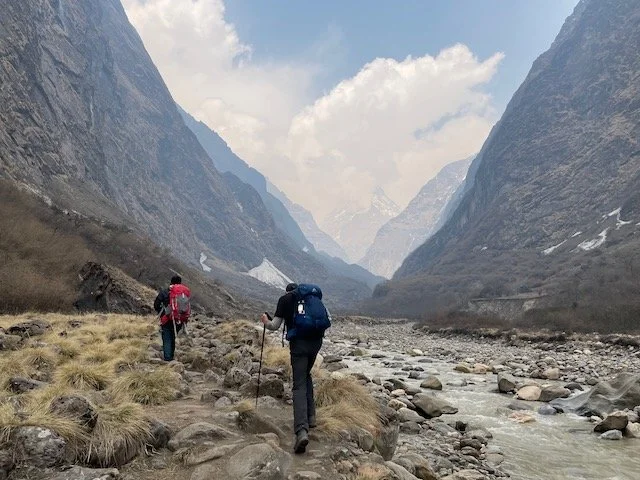
A few months of consistent training can make a huge difference. Focus on activities that reflect the demands of trekking, such as:
Regular walking or hiking, including on uneven terrain
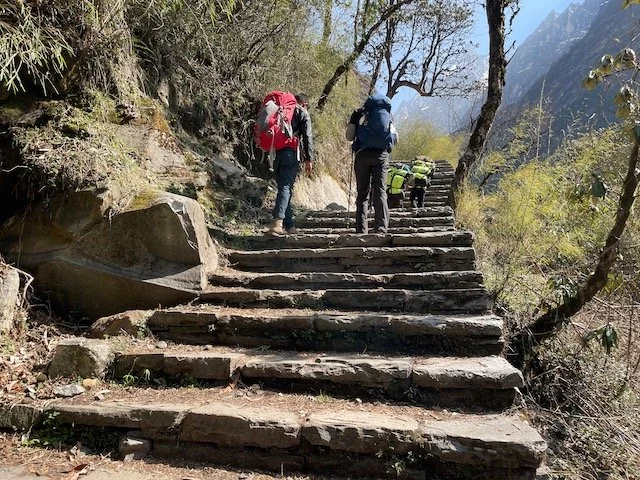
Climbing hills or stairs
Carrying a daypack on longer walks
Building endurance gradually over time
We also benefitted from extra strength training, at home or a gym.
If you're trekking at high altitude, remember that fitness doesn't prevent altitude sickness - but it does make long days on the trail feel easier. Take care not to overtrain though, to keep enough reserves in your immune system to counter any illnesses.
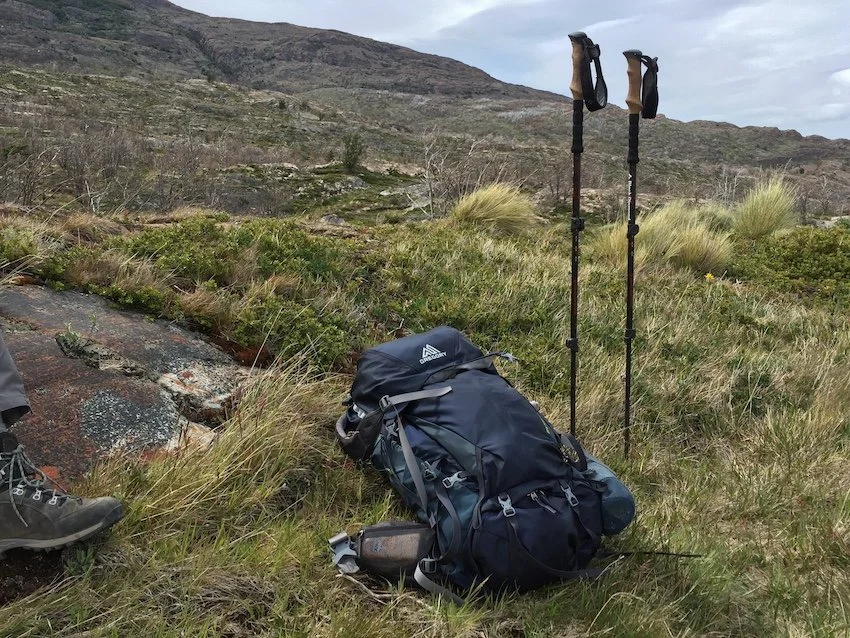
The best trekking gear is the gear you know works.
You don't need to buy the most expensive equipment, but you do want clothing and gear that will keep you comfortable in changing conditions.
Before your trek:
Break in your hiking boots well before you leave.
Test your backpack on longer walks.
Wear your clothing in different weather conditions.
Keep your gear as light and practical as possible.
Reliable, familiar gear will always give you more confidence than brand-new equipment straight out of the box.
Looking for more advice? Visit our Trekking Gear Guide for practical tips on choosing the right equipment.
3. Choose Gear You Can Trust
4. Prepare Your Mind As Well As Your Body
Every trek has its challenges.
There will be long days, changing weather, basic living conditions, tired legs, unexpected delays and moments when things don't go exactly to plan. At high altitude, even simple tasks can require more energy and patience.
Preparing mentally before you leave can make a huge difference.
Think ahead about what challenges you might face and how you'll respond. Visualise yourself on the trail—not just the incredible views and memorable moments, but also the less glamorous parts of trekking life. Being prepared for discomfort and uncertainty helps you adapt when things get tough.
A few things that can help:
Create routines: Simple systems for organising your gear, mornings and evenings can make life on the trail much easier.
Expect the unexpected: Weather, health, logistics and conditions can all change. Flexibility is one of the most valuable trekking skills.
Know your motivation: Remember why you chose this adventure and what will keep you moving forward on challenging days.
Focus on the journey: The hardest moments often become some of your best stories.
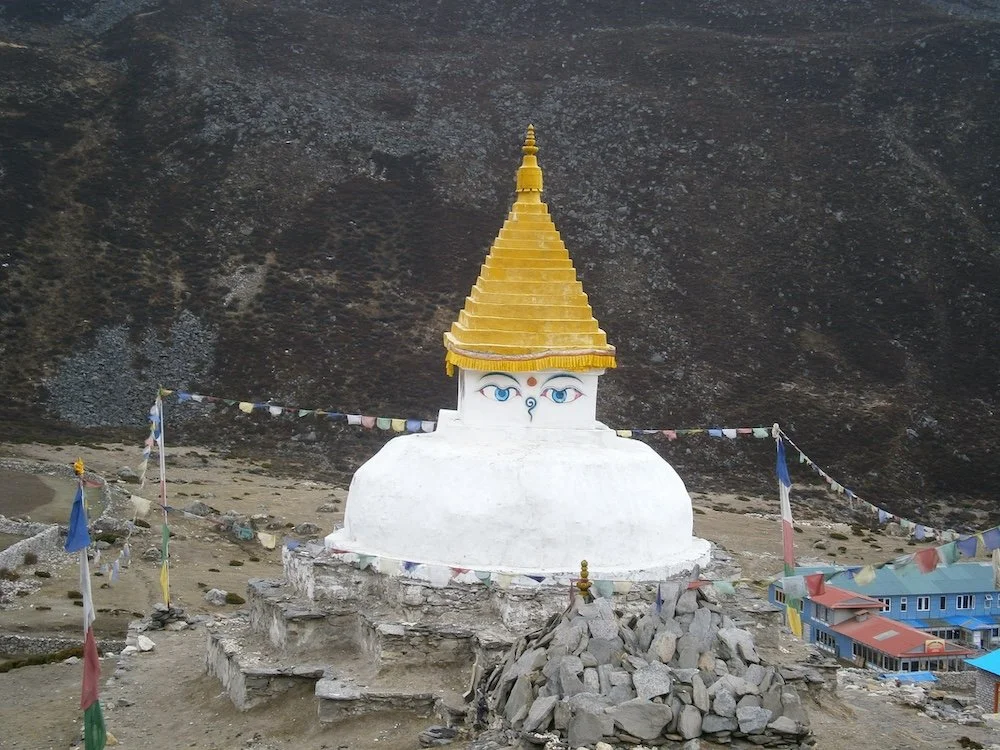
One of the biggest lessons we learned during Project Base8000 was that success often comes down to mindset as much as physical preparation. A positive attitude, patience and a willingness to adapt will carry you a long way in the mountains.
5. Plan the Details
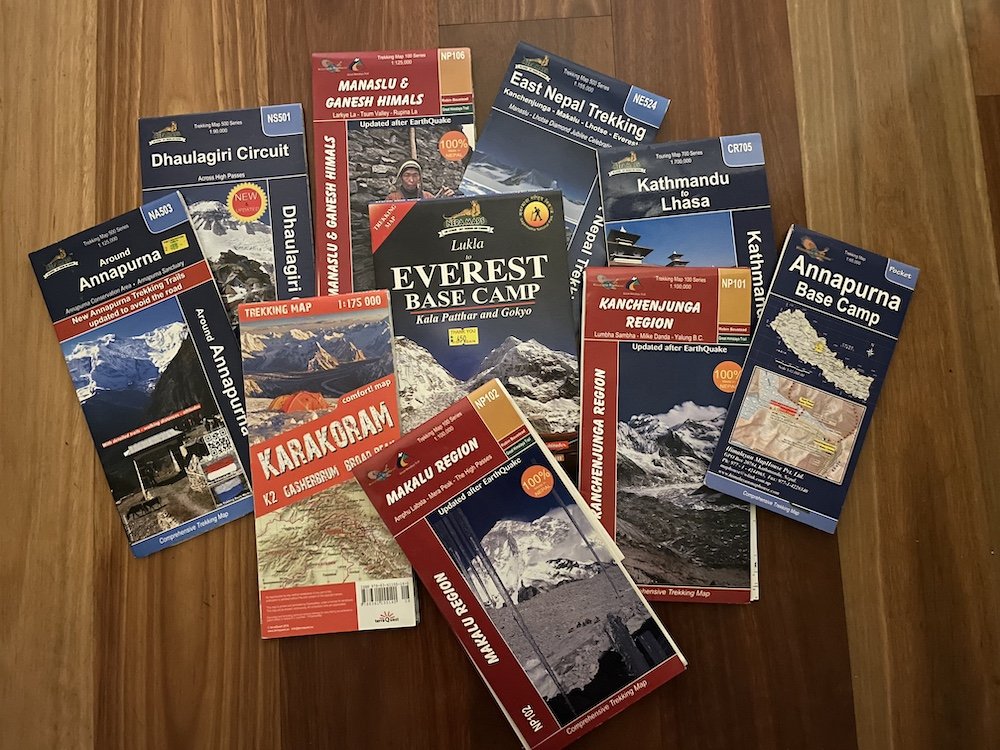
Good preparation means taking care of the practical things before you leave.
Make sure you've thought about:
Passports and visas (where required)
Travel insurance that covers your planned activities
Permits and entry requirements
Recommended vaccinations
Personal medications
Emergency contacts
Copies of important travel documents
Taking the time to organise these details before you travel helps you focus on the adventure once you're on the trail.
Trekking at High Altitude?
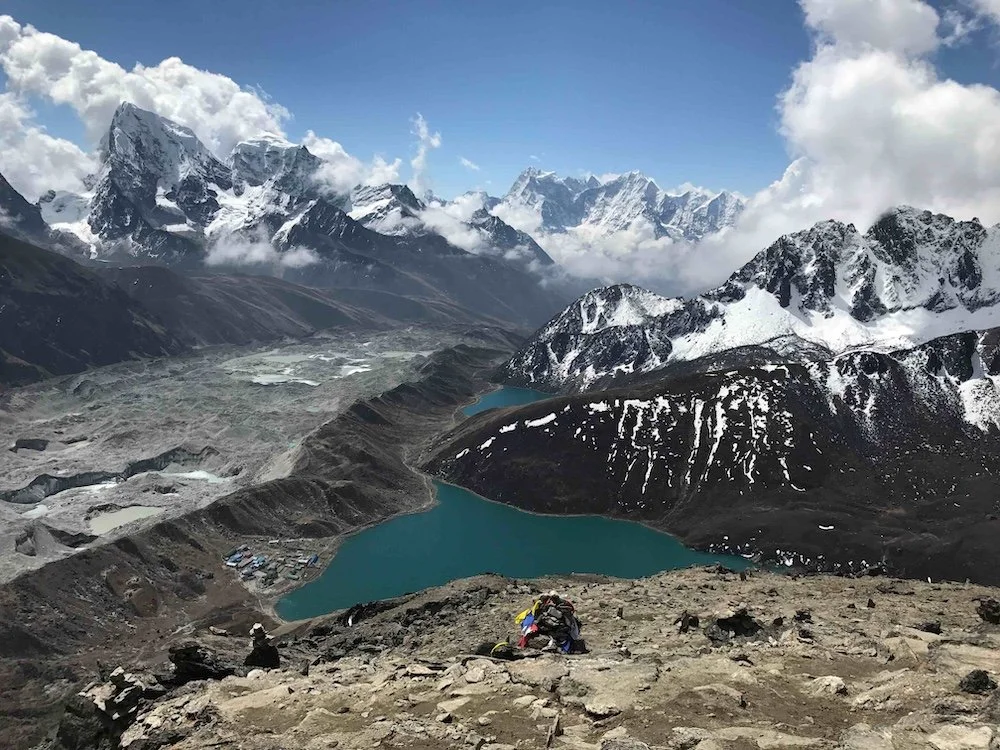
If your trek takes you above around 3,000 metres, altitude adds another layer of preparation.
Allow time to acclimatise, stay well hydrated, walk at a steady pace and never ignore the signs of altitude sickness. Understanding how your body responds to altitude is one of the most important parts of planning a high-altitude adventure.
Our High-Altitude Trekking Tips guide covers everything you need to know before heading into the mountains.
What Project Base8000 Taught Us
After more than a decade of trekking through the Himalaya and Karakoram, a few lessons stayed with us on every expedition.
Give yourself time to slow down before your trek begins and settle into the adventure.
Look after the basics - good hygiene, hydration and steady pacing can make a bigger difference than you might expect - especially at altitude.
Test your gear, trust your preparation and don't be afraid to adapt when plans change.
Most importantly, don't become so focused on reaching the destination that you forget to enjoy everything along the way.
The people you meet, the landscapes you experience and the unexpected moments often become the memories that stay with you the longest. Preparing well simply gives you the freedom to enjoy the adventure when you get there.
Ready for the next step?
Explore our High-Altitude Trekking Tips
Learn how to choose the right Trekking Gear
Read our guide to Trekking Insurance
Discover our favourite Trekking Destinations
Continue Planning Your Adventure